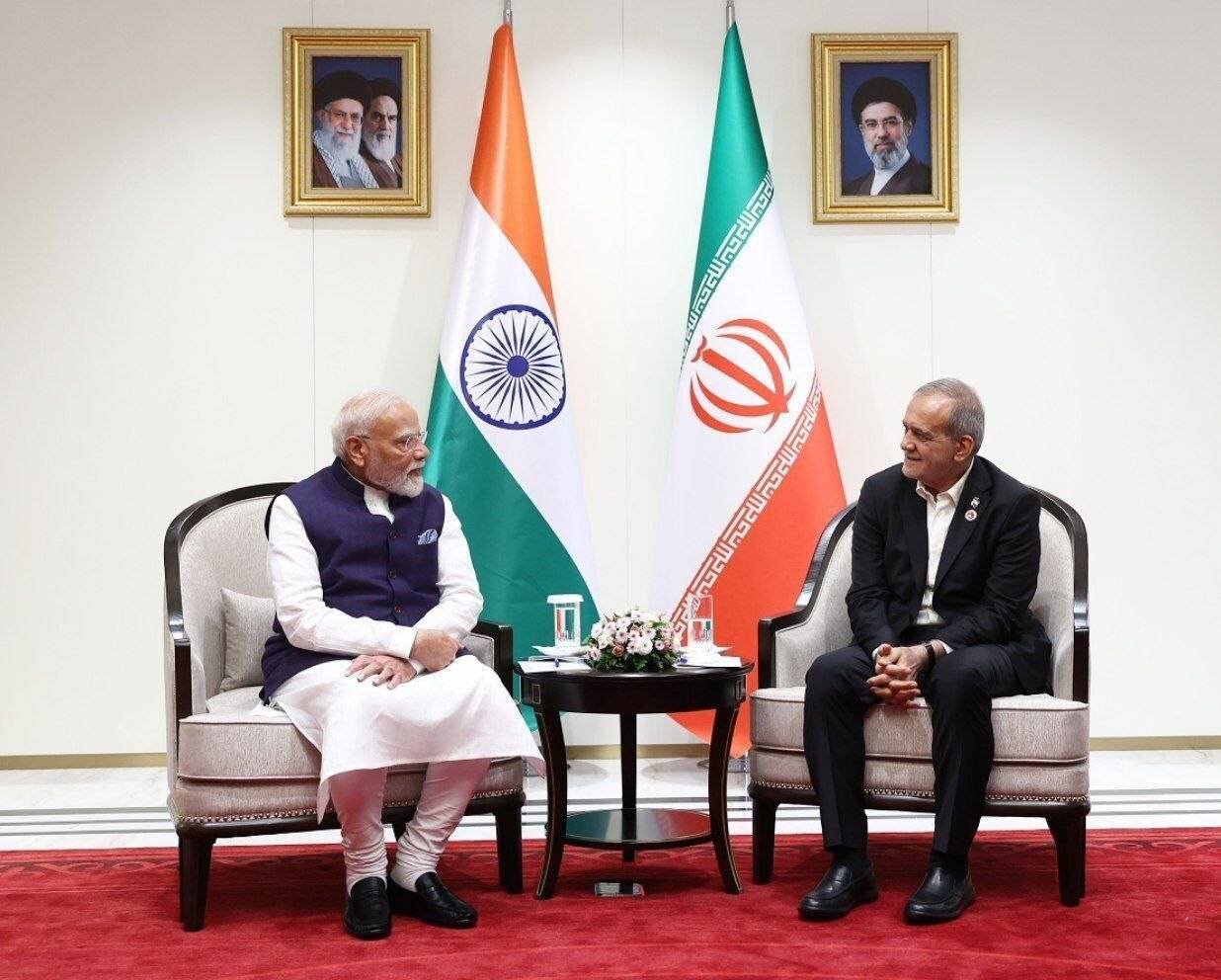

Iranian President Masoud Pezeshkian Urges PM Narendra Modi to Use India’s Influence to Help Restore Regional Peace
Bishkek, Kyrgyzstan | September 1, 2026
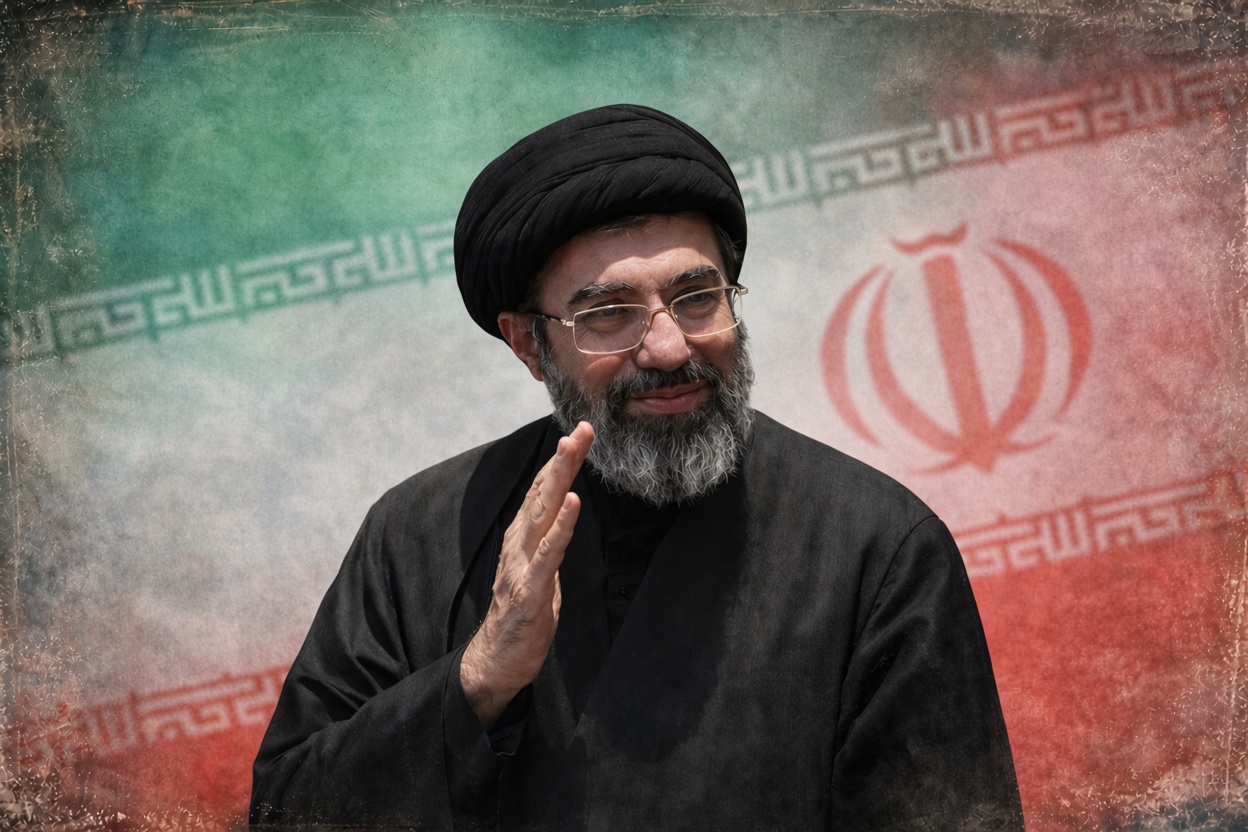
Iranian President Masoud Pezeshkian has urged Indian Prime Minister Narendra Modi to use India’s diplomatic influence and extensive international contacts to help end regional conflicts and restore peace. He called on New Delhi to encourage the parties involved to move away from war and bloodshed and return to dialogue, diplomacy and negotiations.
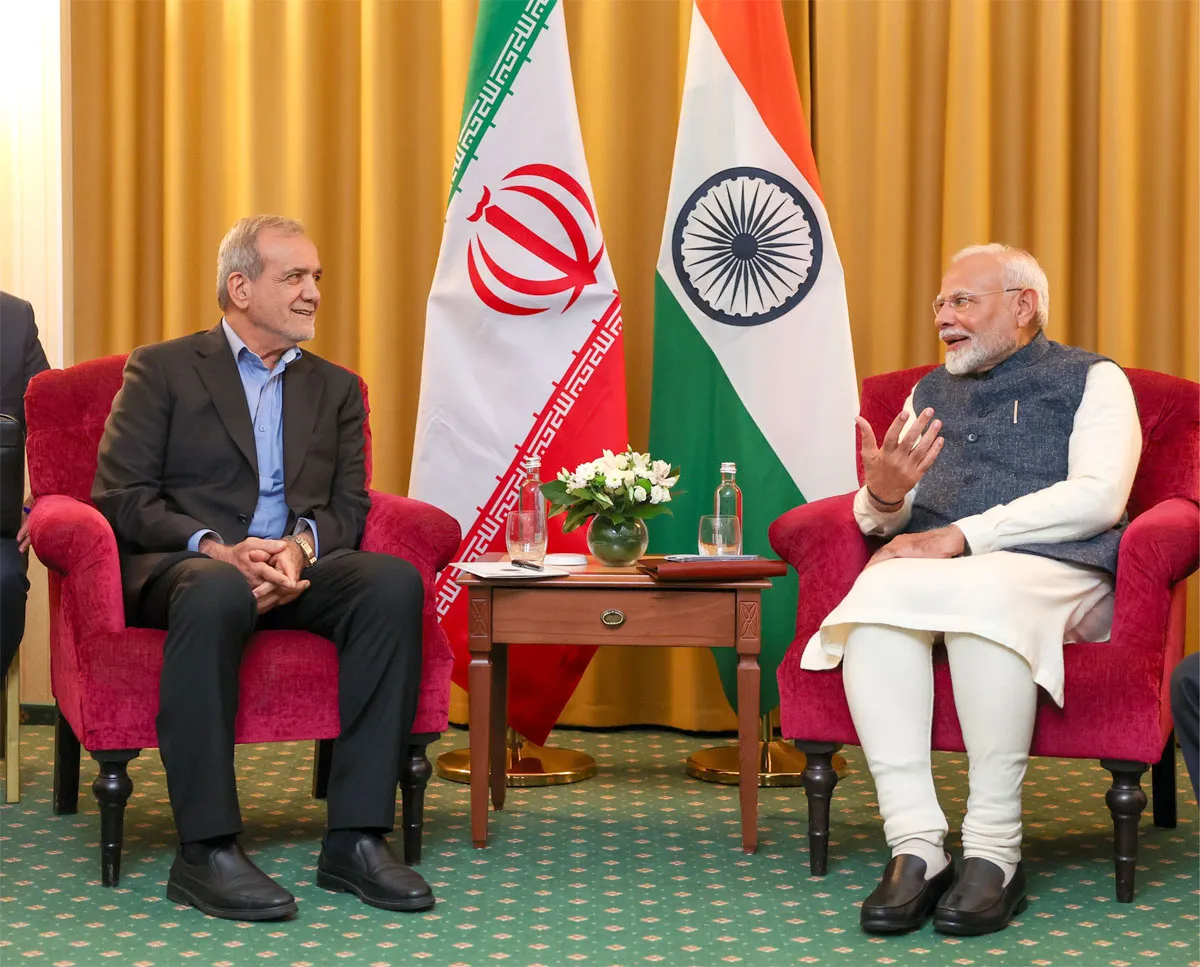
The appeal came during a bilateral meeting between Pezeshkian and Modi on the sidelines of the Shanghai Cooperation Organisation (SCO) summit in Bishkek, Kyrgyzstan, on Monday, August 31. The two leaders discussed the evolving situation in West Asia, regional peace and security, as well as bilateral relations between India and Iran.
According to an Iranian readout of the meeting, Pezeshkian expressed appreciation for India’s support and cooperation with Iran during the recent conflict. He also stressed the need to intensify diplomatic efforts to establish peace and security in the region.
Pezeshkian Highlights India’s Diplomatic Role
Pezeshkian said that since the beginning of his administration, Iran has focused on resolving regional issues through dialogue and negotiations. He accused the United States of choosing the path of war and the use of force instead of diplomatic mechanisms.
The Iranian president said Tehran remains prepared to pursue an understanding through negotiations. In his view, continued conflict serves the interests of neither Iran nor the wider region and could further deepen regional instability.
During the meeting, Pezeshkian highlighted India’s international standing and its extensive diplomatic contacts with countries around the world. He urged Modi to use those relationships to encourage the parties involved in the conflict to abandon the path of war and bloodshed and return to dialogue and agreement.
Modi Reaffirms India’s Support for Peace Efforts
Prime Minister Narendra Modi reiterated India’s long-standing friendship with Iran and expressed his country’s interest in expanding and diversifying bilateral trade.
Modi also reaffirmed India’s position that issues in West Asia should be resolved through dialogue and diplomacy. He called for continued efforts to achieve lasting peace and stability in the region.
The Indian prime minister further stressed the importance of safeguarding freedom of navigation and commerce, while emphasizing that civilians and civilian infrastructure—including commercial shipping and seafarers—must not be harmed under any circumstances.
The two leaders also reviewed various aspects of India-Iran relations and discussed opportunities to expand cooperation in trade and other sectors. Modi reiterated India’s readiness to work closely with Iran through multilateral platforms, including the SCO and BRICS.
Chabahar Port and Strait of Hormuz in Focus
The meeting took place against the backdrop of heightened tensions in West Asia, including concerns surrounding the Strait of Hormuz and regional maritime security.
The Strait of Hormuz is one of the world’s most strategically important waterways, making the security of navigation and commercial shipping a major concern for India and other Asian economies.
Chabahar Port also remains strategically important for India’s connectivity with Iran and Central Asia. The two sides discussed bilateral cooperation and the prospects for expanding economic and trade relations despite the challenges posed by sanctions. Recent reporting has also highlighted Chabahar cooperation as part of the broader India-Iran relationship.
India’s Position in Regional Diplomacy
Pezeshkian’s appeal comes at a time when the impact of the West Asian conflict extends beyond regional security, affecting global trade, energy supplies and maritime transportation.
India maintains diplomatic and strategic relationships with Iran, Gulf countries, the United States and other major international partners. This gives New Delhi a broad diplomatic network through which it can communicate with multiple sides of a regional crisis.
The Modi-Pezeshkian meeting in Bishkek has therefore brought renewed attention to India’s potential diplomatic role in efforts to reduce tensions in West Asia. However, the extent to which India may become directly involved in mediation will depend on the positions of the parties concerned, developments on the ground and the willingness of the conflicting sides to pursue diplomacy.
The meeting is significant not only for India-Iran relations but also for the wider search for diplomatic avenues to address the continuing crisis in West Asia.