
Pakistan Warns the Islamic Republic of Iran to Rein in Yemen’s Houthis After Attacks on Saudi Arabia
ISLAMABAD | SEPTEMBER 10, 2026 | THE GLOBAL JOURNAL
Tensions in the Middle East have escalated following a series of attacks by Yemen’s Houthi movement against Saudi Arabia. Amid the growing tensions, Pakistan has warned the Islamic Republic of Iran to use its influence to rein in the Houthis and halt their attacks on the kingdom. Reuters reported that Islamabad conveyed the message to Tehran on behalf of Saudi Arabia.
According to Reuters, citing Pakistani, Saudi and Iranian sources, Pakistan urged Iran over the past 24 hours to restrain the Houthis following their recent attacks on Saudi Arabia. Islamabad’s objective is to prevent the situation from reaching a point where Pakistan would be required to take a direct military role in defending Saudi Arabia.
Houthi Attacks on Saudi Arabia
On Tuesday, the Houthis reportedly targeted an airbase in Khamis Mushait, Saudi Arabia, as well as oil infrastructure in nearby areas. The attacks injured 73 people. The incident is being viewed as one of the biggest Houthi attacks on Saudi territory since the U.S.-Israeli war with Iran began in February.
The following day, Houthi military spokesman Yahya Saree claimed that Saudi warplanes had carried out 54 airstrikes across various Yemeni provinces over a 12-hour period. He warned that the strikes would “not go unanswered and unpunished.”
The renewed conflict between Saudi Arabia and the Houthis has further complicated the security situation in the Gulf region. At the same time, military tensions between Iran and the United States are also escalating around shipping and energy supplies in the Gulf.
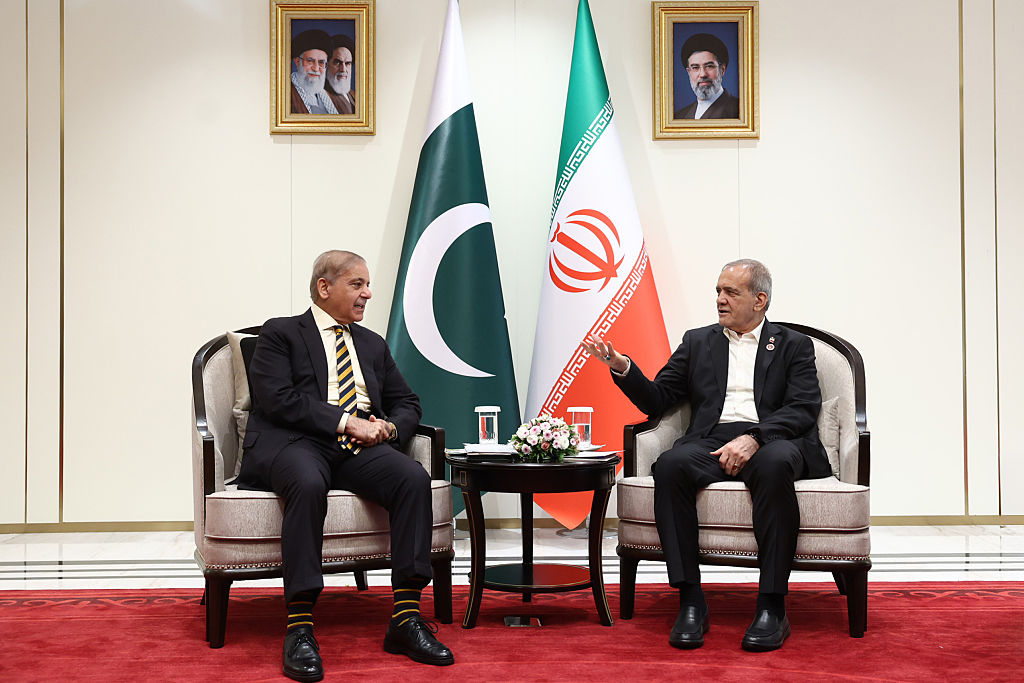
Pakistan’s Message to Iran
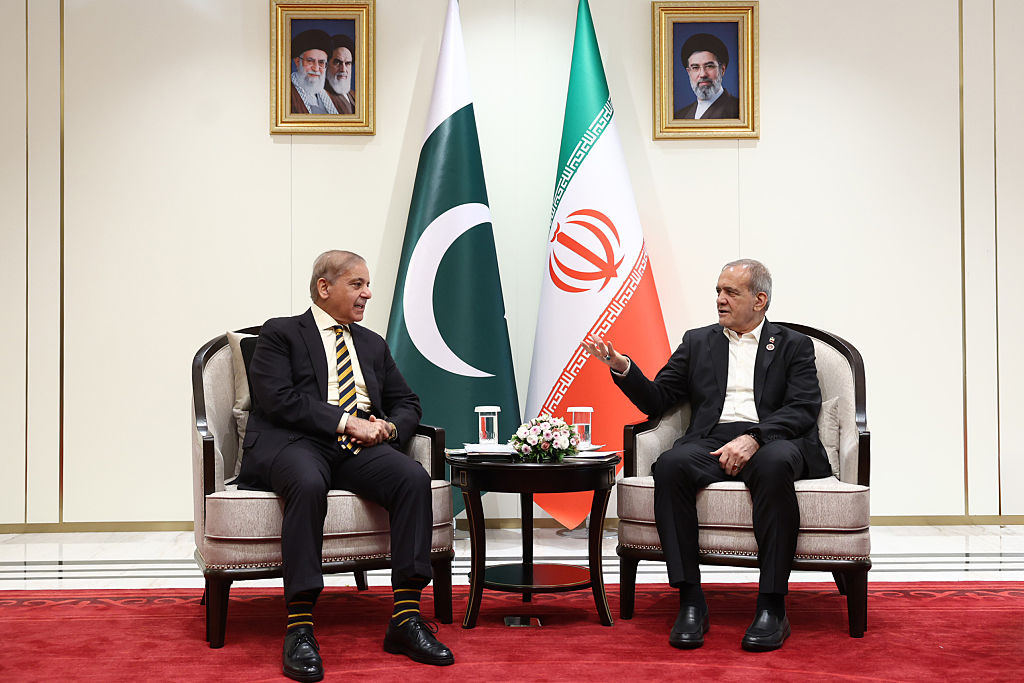
According to Reuters, a senior Pakistani regional diplomat conveyed Saudi Arabia’s message to Iran, urging Tehran to use its influence over the Houthis to halt attacks on Saudi territory.
However, a senior Iranian official responded that “Iran does not control the Houthis.”
Meanwhile, two separate Iranian sources told Reuters that Tehran had instructed the Houthis last week to carry out attacks against Saudi Arabia. According to the sources, Iran also promised additional funding and weapons, while several Islamic Revolutionary Guard Corps (IRGC) commanders travelled to Yemen to help coordinate the attacks. These claims have not been independently verified.
Impact of the Saudi-Pakistan-Türkiye Defense Pact
The attacks against Saudi Arabia are particularly significant for Pakistan because Islamabad recently joined a joint defense agreement with Riyadh and Ankara.
Pakistani Defense Minister Khawaja Asif has said that aggression against one country would be considered aggression against all three countries. He also said that an unprovoked attack on Saudi Arabia or the spillover of the conflict into the kingdom could activate the agreement.
However, Pakistani officials have made clear that any military role by Islamabad would primarily be limited to defending Saudi territory.
A Pakistani source told Reuters that Saudi officials had met senior Pakistani and Turkish military representatives in Riyadh to coordinate a possible response. The three countries reportedly agreed in principle that their forces would not enter Yemen and that any potential response would be launched from Saudi territory.
Will Pakistan Enter the War Directly?
Another Pakistani source said that no decision has yet been made on whether Pakistan would participate directly in any Saudi retaliatory military operation.
According to the source, Pakistan’s defense agreement with Saudi Arabia is defensive in nature and is primarily focused on protecting Saudi territory. Pakistani forces could provide military, technical, ground or air support inside Saudi Arabia, but there is currently no plan to participate in direct combat operations on foreign soil.
A Pakistani regional diplomat also said that Islamabad intends to pursue a diplomatic solution for now. The diplomat expressed hope that the situation would not reach a stage where Pakistan would have to intervene militarily to defend Saudi Arabia.
A New Regional Security Equation
The most significant development is that the Saudi-Houthi conflict is no longer simply a Yemen-focused military confrontation. It could increasingly affect the wider regional security balance involving Saudi Arabia, Pakistan, Türkiye and Iran.
Pakistan has historically maintained relations with both Saudi Arabia and Iran. Islamabad’s latest warning therefore appears to represent an effort to address Riyadh’s security concerns while simultaneously avoiding direct involvement in a wider military conflict.
According to a regional diplomat cited by Reuters, the pressure campaign against Iran and the Houthis could ultimately have the opposite effect intended by Tehran. Rather than weakening ties among Saudi Arabia, Pakistan, Türkiye and other U.S.-aligned states, escalating attacks on Gulf security could encourage closer security cooperation among them.
The future of Pakistan’s defense pact will therefore depend heavily on whether Houthi attacks continue and what type of retaliatory measures Saudi Arabia ultimately takes.
Source: Reuters