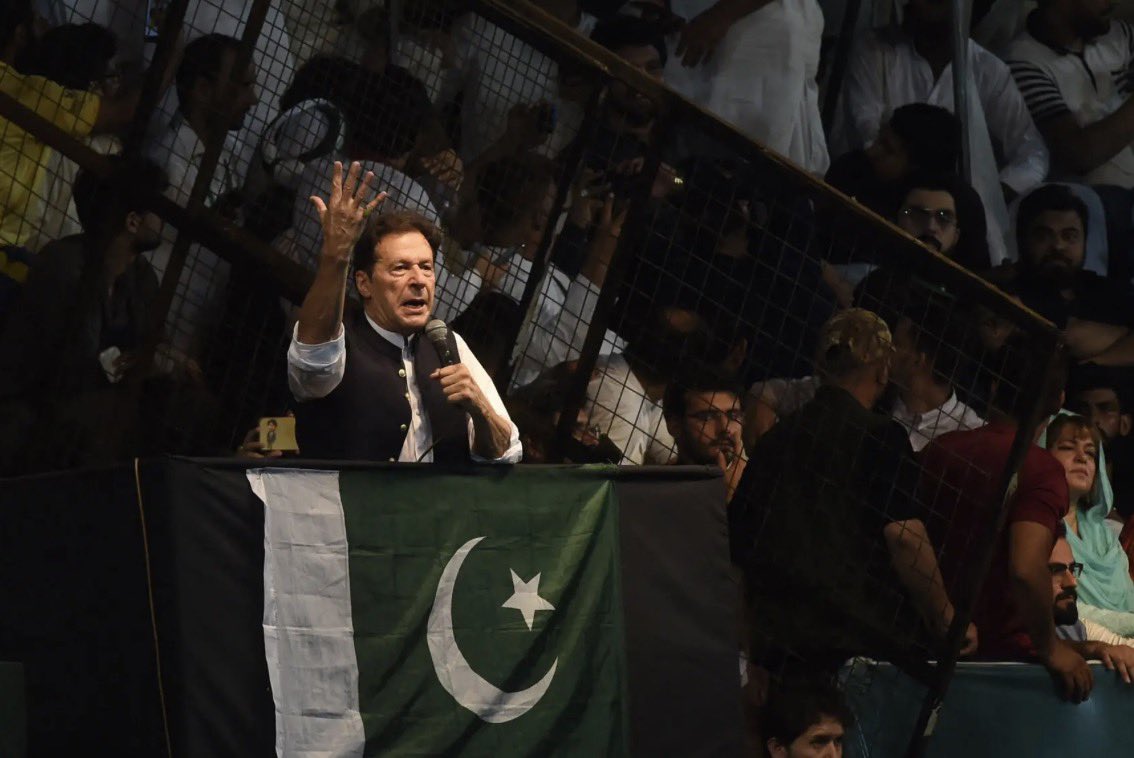

Pakistan’s Former PM Imran Khan Faces September 27 Long March as Islamabad Comes Under Growing Political Pressure
Islamabad, Pakistan | September 5, 2026 | The Global Journal
Pakistan’s Pakistan Tehreek-e-Insaf (PTI) is preparing for nationwide protests and a long march on September 27 demanding the release of former Prime Minister Imran Khan. With a major street mobilisation being planned alongside indications of a possible political understanding involving the military leadership, Islamabad is facing renewed political pressure ahead of September.
Seventy-three-year-old Imran Khan has been imprisoned since August 2023 in connection with multiple cases. His supporters allege that the cases are politically motivated and that judicial proceedings are being used to keep him politically sidelined. Pakistani authorities reject the allegations, maintaining that Khan is serving sentences imposed following court convictions.
Khan’s enduring popularity and public dissatisfaction with the country’s political elite have kept him at the center of one of Pakistan’s most significant political crises. His supporters maintain that despite his imprisonment, his influence over the country’s politics remains strong.
Preparations for the September 27 Long March
The PTI has announced a nationwide mobilisation on September 27 demanding Imran Khan’s release. Sohail Afridi, the party’s chief minister of Khyber Pakhtunkhwa, has said he will lead a march toward Adiala Jail.
The planned mobilisation has raised concerns about security in Islamabad. Previous PTI demonstrations and marches have resulted in clashes between protesters, the government and law-enforcement agencies.
The key question for Islamabad is whether the September mobilisation will remain peaceful or trigger another major episode of political confrontation.
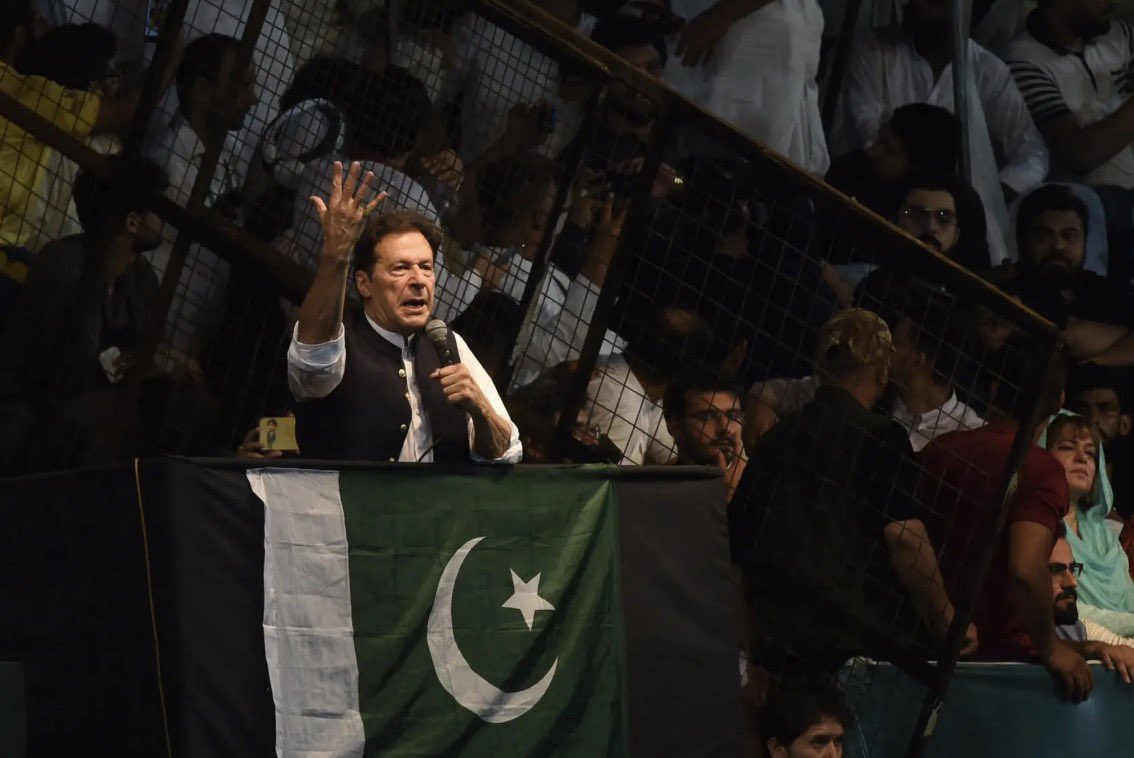
Message of Possible Reconciliation from Imran’s Camp
Meanwhile, Zulfiqar Bukhari, a close associate of Imran Khan, told Reuters that if Khan is released, he would not seek direct confrontation with powerful army chief Field Marshal Asim Munir.
According to Bukhari, Khan could be prepared to put personal grievances aside and respond positively to a reconciliation initiative from the military leadership.
However, the statement should be treated cautiously. It does not represent a public commitment made directly by Imran Khan, but rather Bukhari’s assessment of what Khan might do if released. It therefore cannot yet be regarded as an official reconciliation proposal.
Asim Munir’s Growing Role in Iran Diplomacy
At the same time, Pakistan’s army chief Asim Munir has taken on a more prominent role in regional diplomacy, particularly in diplomatic contacts involving Iran and the United States.
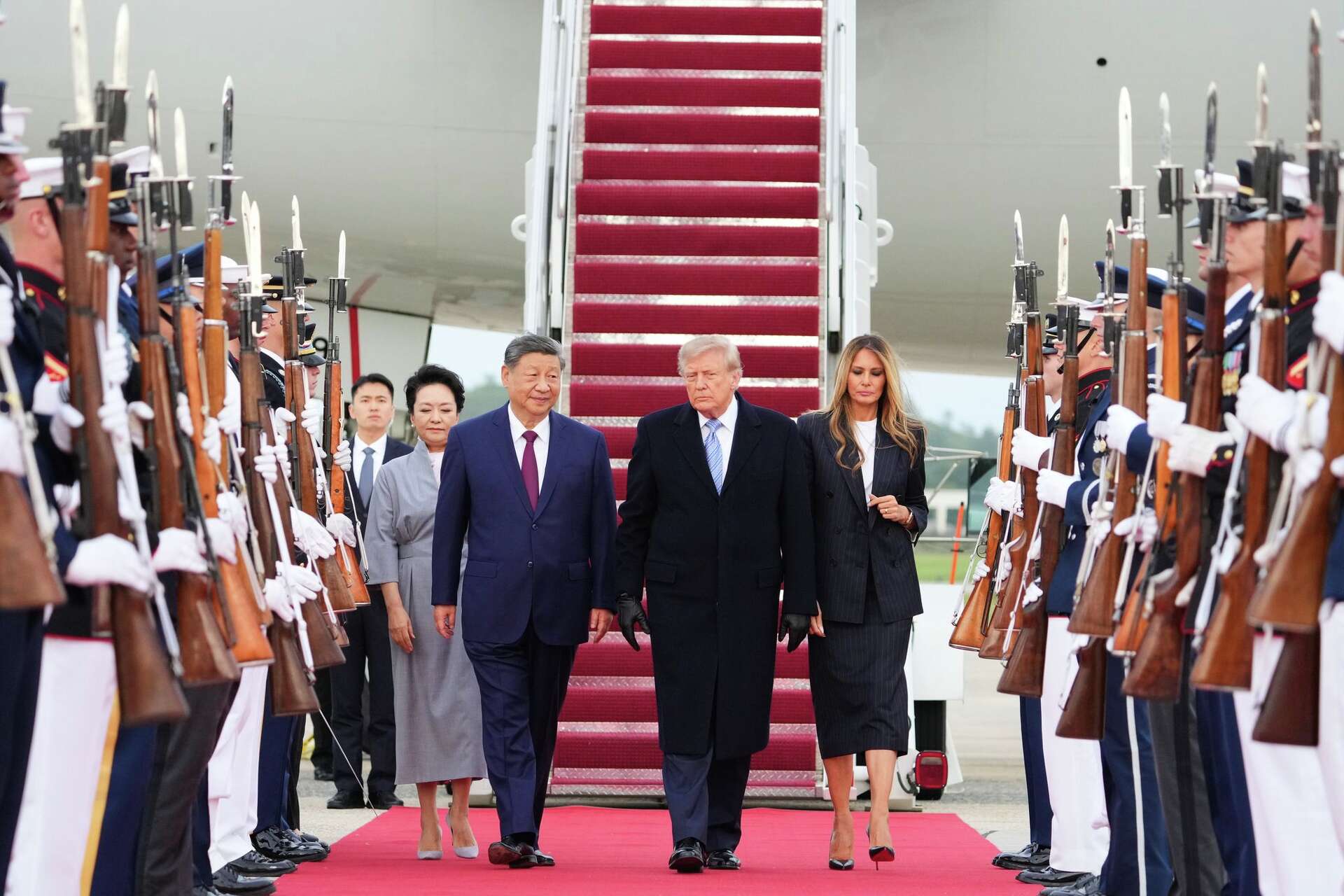
Munir has developed close communication with U.S. President Donald Trump. Reports have indicated that Trump discussed Iran-related diplomatic efforts with Munir and sought to use Pakistan’s influence to encourage Tehran to return to negotiations.
Munir subsequently travelled to Tehran with Pakistan’s Interior Minister Mohsin Naqvi. Pakistan later said that the talks had produced “significant progress.”
Against this backdrop, Munir’s expanding international diplomatic role has also intensified debate over his influence within Pakistan’s domestic politics.
Pakistan’s Complex Diplomatic Balancing Act
Pakistan’s Iran policy remains highly sensitive. While maintaining relations with Washington is important for Islamabad, Pakistan also shares a long border with Iran and has significant commercial and regional interests with Tehran.
At the same time, Pakistan maintains a deep strategic partnership with China and important economic, security and religious ties with Gulf states.
Munir’s growing role in Iran-related diplomacy therefore highlights both Pakistan’s increasing regional importance and the substantial influence of the military leadership over the country’s foreign and security policy.
Imran’s Political Influence Remains Strong
In the 2024 general election, PTI-backed independent candidates won more directly elected seats in the National Assembly than any other political grouping. However, the PTI was not allowed to contest the election using its traditional cricket bat electoral symbol.
A coalition government was subsequently formed by several political parties. Despite this, Imran Khan’s popularity and the PTI’s political influence have not disappeared.
Khan’s supporters accuse the authorities of attempting to weaken the PTI by keeping him imprisoned. The government and military leadership, however, maintain that the legal proceedings against Khan are not politically motivated and that he is a convicted prisoner serving sentences handed down by the courts.
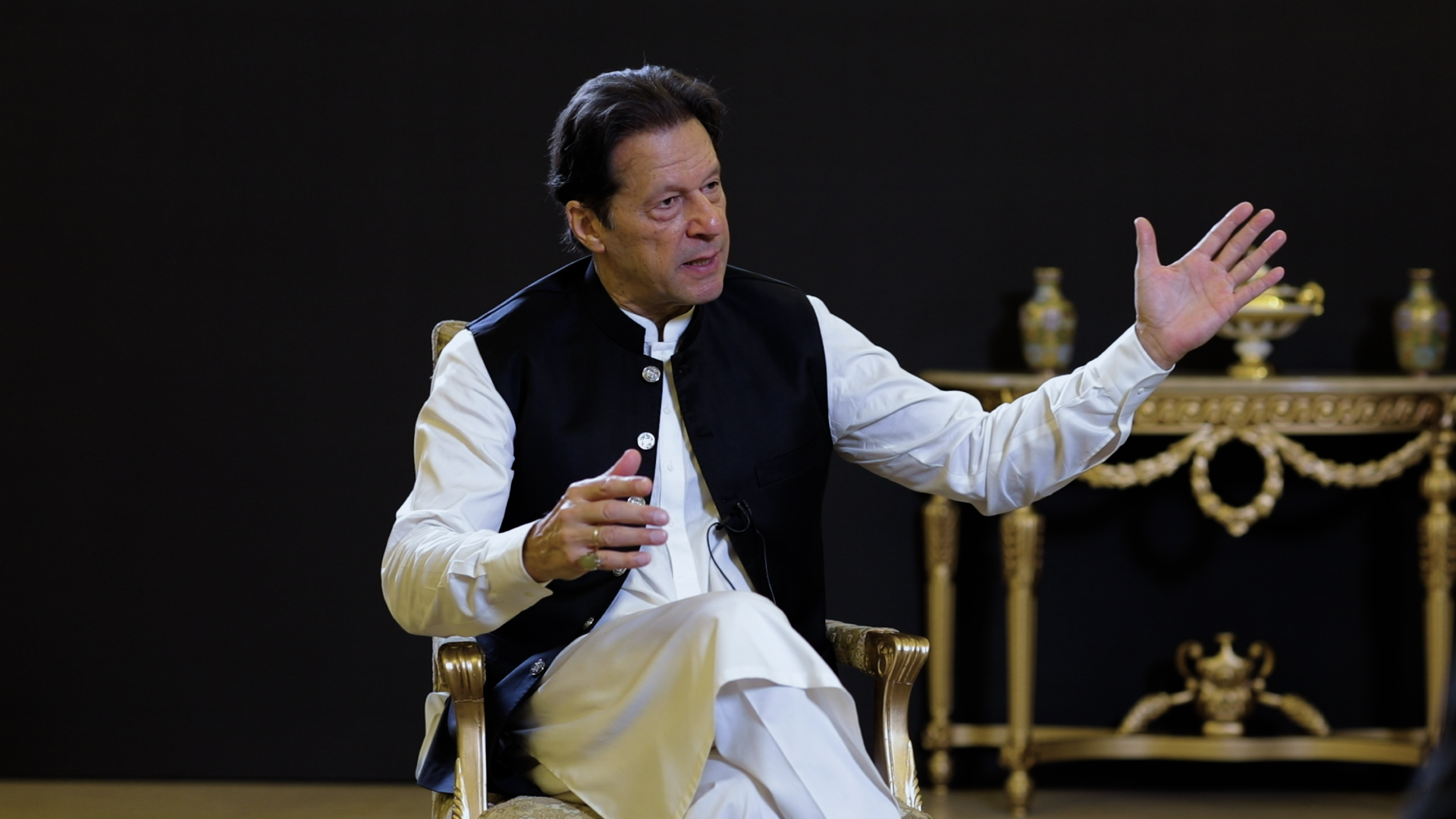
Imran Khan Issue Reaches the Cricket Arena
Khan’s political influence has recently resurfaced in the cricket world as well. During an England-Pakistan Test match, former England captain and commentator Michael Atherton interviewed Khan’s two sons, Sulaiman and Qasim.
They spoke about their father’s imprisonment and his current situation. The Pakistan Cricket Board subsequently complained to Sky Sports about the broadcast.
Khan’s family has made various allegations regarding his prison conditions and health. However, not all of these claims have been independently verified, and Pakistani authorities have rejected allegations of mistreatment.
The episode once again demonstrated that Imran Khan, who transformed from a cricket legend into a political leader, remains a prominent figure both in Pakistan’s domestic politics and on the international stage.
Imran’s International Significance
Khan’s long cricket career has made him widely recognised around the world. After leading Pakistan to victory in the 1992 World Cup, he became one of international cricket’s most prominent figures before entering politics and eventually becoming Pakistan’s prime minister.
His cricketing legacy remains particularly significant in cricket-loving countries such as Australia. At the same time, Australia maintains defence, law-enforcement, counterterrorism and trade ties with Pakistan, making political stability in the country an important issue for Canberra.
Which Direction Will Pakistan Take in September?
Pakistan now faces two possible paths: a major PTI street mobilisation demanding Imran Khan’s release, and indications of a possible reconciliation aimed at reducing political tensions.
If the September 27 long march attracts a large turnout, Islamabad could face another period of heightened security and political instability. If a genuine channel for dialogue emerges between the Imran Khan camp and the military leadership, however, it could create an opportunity to ease Pakistan’s prolonged political confrontation.
So far, there is no confirmed formal agreement or final decision regarding Imran Khan’s release.
The September mobilisation will therefore be more than a test of Imran Khan’s political future. It could also become a significant test of Pakistan’s civilian political system, the role of the military leadership and the country’s domestic stability.
— The Global Journal | Islamabad | September 5, 2026