
Saudi Arabia carried out 54 airstrikes in Yemen within 24 hours after attacks on its military bases, Houthis claim
Sana’a, Yemen | September 14, 2026 | The Global Journal
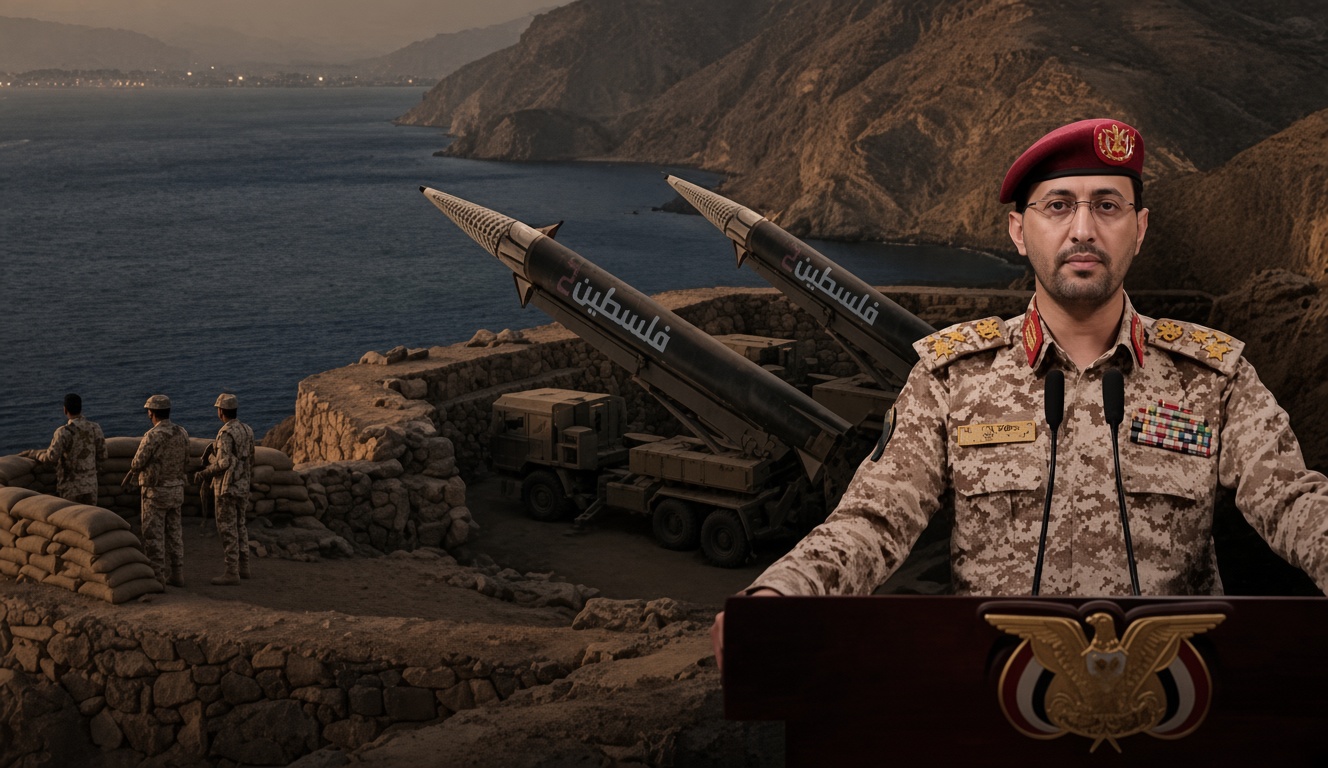
The Iran-backed Houthi group has claimed that Saudi Arabia carried out 54 airstrikes in western Yemen over the past 24 hours, following drone and missile attacks by the Houthis on Saudi military installations. The claim was made by Houthi military spokesman Yahya Saree and reported by AFP on Monday.
According to Saree, Saudi Arabia used F-15 and Typhoon fighter jets in the attacks, targeting Yemen’s Taiz, Lahj, Al-Jawf, Marib and Hodeidah provinces. Saudi authorities have not publicly provided detailed comments on the Houthis’ claim of 54 airstrikes or the allegations surrounding them.
Emergency alerts issued in southern Saudi Arabia
Following the Houthis’ claims of dozens of drone and missile attacks targeting Saudi military installations, Saudi Arabia’s Civil Defense issued emergency alerts in the southern cities of Khamis Mushait and Abha. A brief alert was later issued in the southwestern city of Najran.
A resident of Khamis Mushait told AFP that he heard “intense explosions” and saw fires burning for an extended period.
“Honestly, we could not sleep at all,” he said.
Conflicting claims over casualties
AFP, citing two Yemeni government military officials, reported that eight members of government forces were killed in a Houthi missile attack in western Yemen.
Meanwhile, the Houthi-affiliated Al-Masirah TV claimed that a Saudi airstrike destroyed a bridge in Taiz province, killing two civilians. The claim could not be independently verified.
Yemeni government forces also said they had recaptured several positions from the Houthis in southwestern Taiz province. The state-run Saba news agency reported that at least 10 Houthi fighters were killed in the operations.

Growing concerns around Bab al-Mandab
The renewed escalation has also raised concerns over the strategically important Bab al-Mandab Strait, which connects the Red Sea with the Gulf of Aden and serves as a major maritime route for international trade and energy shipments from the Middle East.
Any strengthening of Houthi military positions along Yemen’s Red Sea coast and around Bab al-Mandab could increase security concerns for Saudi Arabia and its regional allies.
The importance of Bab al-Mandab has become even greater amid continuing tensions around the Strait of Hormuz, where uncertainty over oil transportation and international shipping has increased.
Saudi-U.S. military coordination
Saudi Crown Prince and de facto ruler Mohammed bin Salman met U.S. Central Command chief Admiral Brad Cooper in Jeddah on Monday. According to the Saudi Press Agency, the two discussed the latest developments in the Middle East.
Earlier, U.S. media outlet Axios reported that Admiral Cooper had traveled to Saudi Arabia for urgent consultations over the regional situation.

Iran denies direct control over the Houthis
Iran has maintained close ties with the Houthis for years and has long faced accusations of providing the group with weapons and technological assistance. However, analysts differ over the extent of Tehran’s direct role in the latest escalation in Yemen.
Iranian Foreign Ministry spokesman Esmaeil Baghaei said on Monday that “Iran does not interfere in Yemen.” He described the Houthis as a group that makes decisions independently based on its own interests.
Diplomatic efforts remain uncertain amid regional conflict
The renewed fighting in Yemen comes as the wider Middle East conflict remains deadlocked.
A proposed meeting in Oman between Gulf countries and Iran over the future of the Strait of Hormuz was postponed on Monday. Tehran accused Saudi Arabia of using the situation in Yemen as an “excuse” to delay the meeting.
Meanwhile, U.S. President Donald Trump has expressed interest in talks with Iran, while Iranian officials have maintained a firm position regarding any potential negotiations with Washington.
Nearly 94,000 people displaced
The renewed escalation of Yemen’s long-running civil war is placing additional pressure on civilians after several years of relative stability in parts of the country.
The UN migration agency said 93,864 people have been forced to flee their homes because of the recent conflict.
The Yemeni civil war began after the Houthis seized the capital Sana’a in 2014. In 2015, a Saudi-led coalition intervened militarily in support of Yemen’s internationally recognized government. The prolonged conflict has turned Yemen into one of the world’s worst humanitarian crises.
The latest Houthi attacks on Saudi territory, retaliatory Saudi airstrikes in western Yemen and growing military tensions around Bab al-Mandab are once again raising serious concerns over regional security, international maritime trade and global energy supplies.
Source: AFP