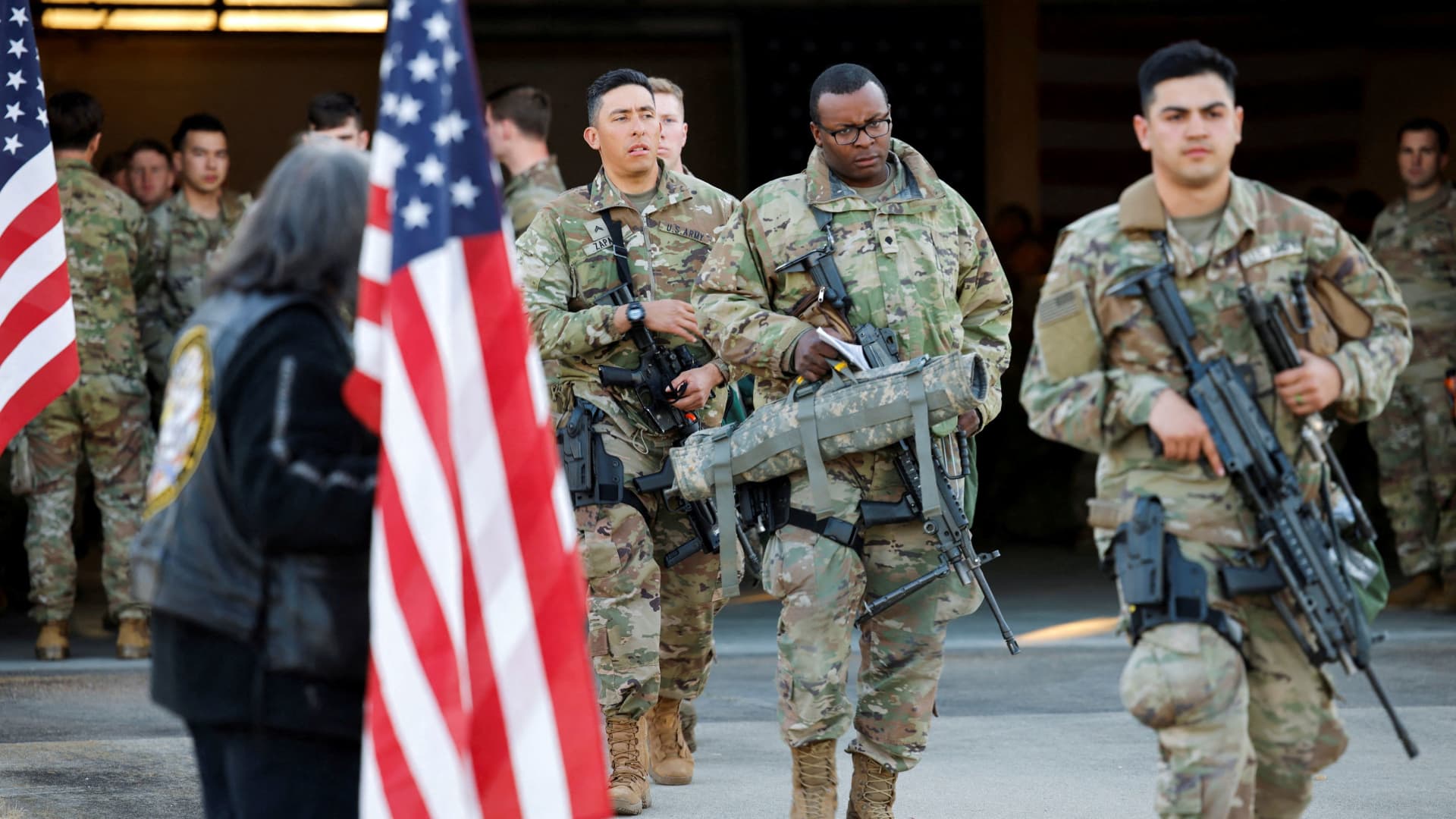

The US military is currently facing multiple Deepening Crisis, Several Senior Commanders Resign — The Washington Post
— Global Journal | Tehran, Iran | September 3, 2026
The US military is currently facing multiple pressures and internal tensions, according to Iran’s Mehr News Agency. Citing The Washington Post, the report said extensive changes in the senior command structure, resignations of officials, blocked promotions and concerns over declining weapons stocks have raised new questions about the stability of the US military’s command structure and overall capabilities.
Disagreements between the White House and military leadership were also seen during Donald Trump’s first term. However, the report claimed that the scale of changes and tensions within the military command structure under the current administration has been significantly greater. The removal of more than 20 senior officials and the blocking of promotions for dozens of commanders have further heightened concerns.
Senior-Level Resignations and Pressure on the Command Structure
The resignation of US Army Secretary Dan Driscoll has emerged as one of the most significant recent examples of the tensions. According to the report, Driscoll stepped down following growing differences with US Secretary of War Pete Hegseth.
The analysis noted that military strength depends on more than aircraft, warships, tanks and missiles. The experience of commanders, coordination among different branches of the military, and mutual trust between political and military leadership are also important components of combat power.
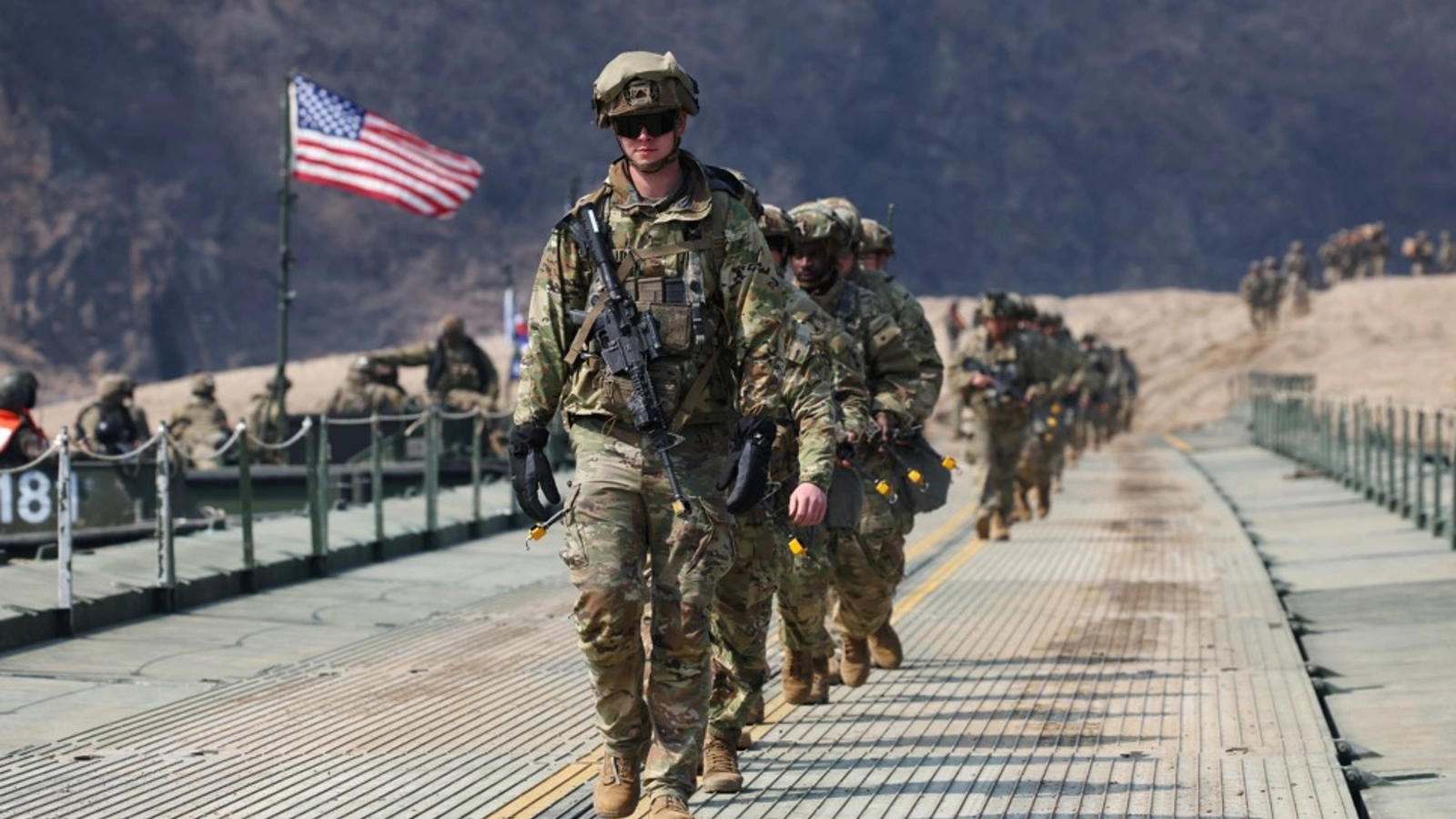
Iran War Increasing Pressure on the US Military
The US military’s involvement in a prolonged and costly conflict in the Middle East has further increased the pressure, the report claimed.
At the same time, the report acknowledged that the United States remains one of the world’s most powerful military forces—and overall the most capable—in terms of technology, air and naval power, intelligence capabilities, space power and logistical capacity. The central concern is that no country has unlimited military resources.
One of the most important constraints is weapons stockpiles.
The $37.5 Billion Cost Does Not Tell the Full Story
The White House has put the direct cost of the war at approximately $37.5 billion, but the report said the actual cost could be significantly higher.
Expenses related to replacing used ammunition, repairing damaged military equipment, maintaining troops on long-term deployments and rebuilding military capabilities may not be fully reflected in that figure.
During the war, the United States has used significant quantities of precision-guided weapons and interceptors. Reports of declining stocks of Patriot missiles and other air-defence systems have reportedly raised concerns among US officials and allies.
Washington Must Also Remain Prepared for Europe and Asia
The global responsibilities of the United States have made the impact of the Middle East conflict on military stockpiles even more significant. Washington must maintain military capabilities not only for the Middle East but also for Europe, the Indo-Pacific and other potential crises around the world.
As a result, every interceptor or missile used in the Middle East reduces a stockpile that could be needed in another future emergency.
This issue is becoming particularly important amid US strategic competition with China and Russia. If the war in the Middle East continues for an extended period, the United States may have to keep large numbers of troops, aircraft, warships and defence systems deployed in the region for months. That could reduce its ability to respond rapidly to crises elsewhere.
A Political Signal to America’s Asian Allies
The pressure on US military capabilities is also important for Washington’s Asian allies. They are not only looking at US political commitments, but also at how many aircraft, warships, missiles and munitions the United States would actually have available during a crisis—and how quickly those assets could be deployed to Asia.
As a result, declining military stockpiles could eventually become not only a defence-planning issue but also a matter of diplomatic and political confidence.
Longer War Could Increase Reconstruction Costs
The longer the conflict continues, the more resources the United States will have to devote to rebuilding its weapons stocks and restoring military capabilities. This could put greater pressure on the defence budget, require additional weapons orders and take several years to restore some stockpiles to pre-war levels.
However, the pressure is not limited to equipment. Experienced personnel and a stable command structure are also important components of military capability. Maintaining readiness across multiple regions requires experienced leadership and an effective chain of command.
Renewed Debate Over ‘Unlimited American Power’
The analysis does not suggest that the Iran war has directly exhausted US military power. Rather, it argues that the conflict has demonstrated that even the world’s most powerful military has limits in resources, personnel, weapons stockpiles and time.
Military power is not simply the ability to start a war. It also involves sustaining a prolonged conflict, replenishing ammunition, maintaining operational readiness and remaining prepared for future potential conflicts.
If the United States is forced to reduce its readiness in other regions while dealing with prolonged military pressure in one theatre, a regional conflict could become a broader global strategic challenge.
For this reason, the full strategic impact of the Iran war may not be immediately visible. Its consequences could become clearer over the coming years as Washington works to rebuild weapons stockpiles, reorganize military leadership and maintain its ability to respond to multiple regional crises simultaneously.
— Global Journal | Tehran, Iran | September 3, 2026
Source: Mehr News Agency and The Washington Post