
Netanyahu Struggles to Form Government as Longtime Allies Signal Coalition Exit, Raising Prospect of a Major Political Shift in Israel
Jerusalem, Israel | October 30, 2026 | The Global Journal
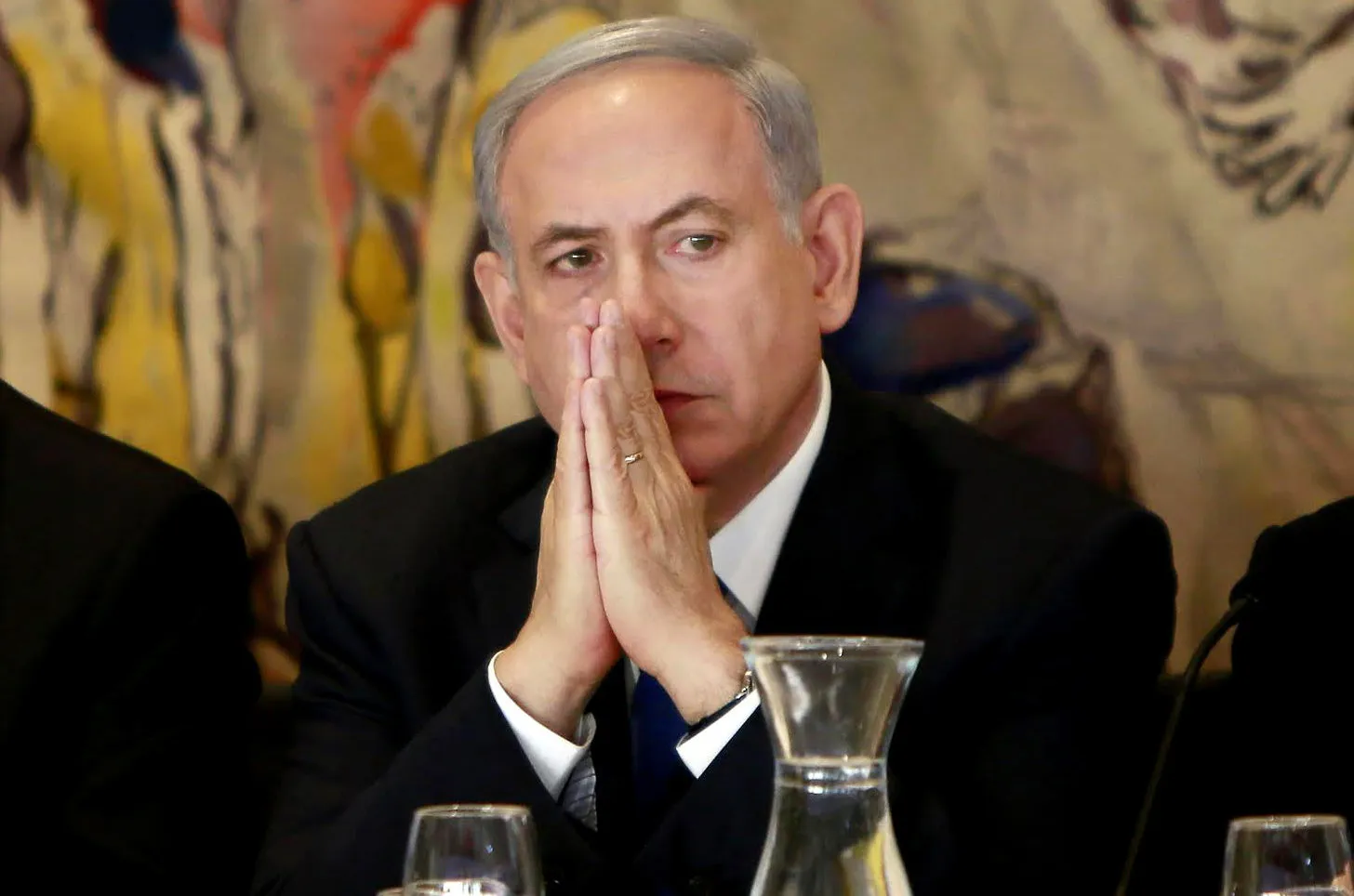
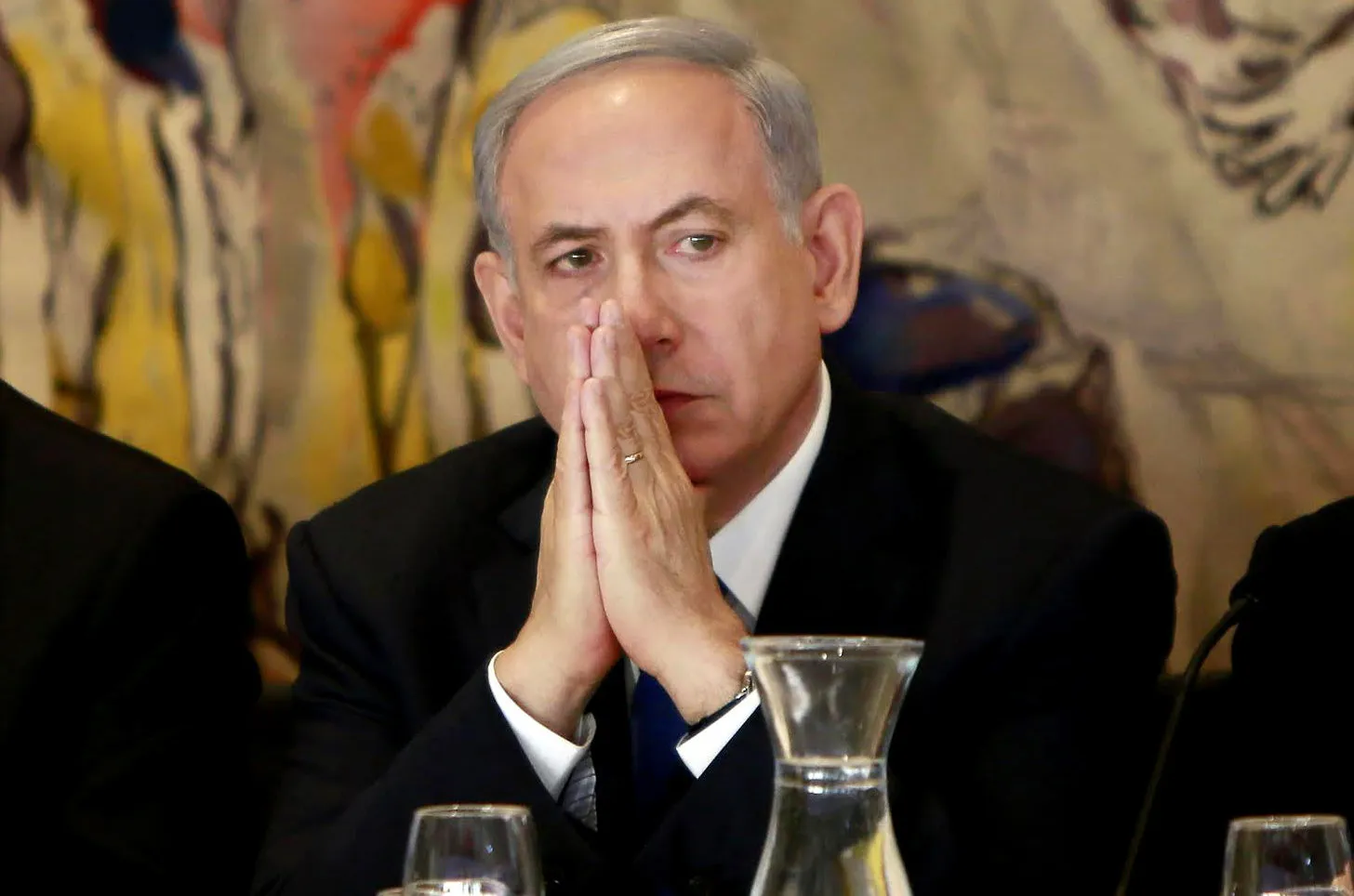
Israeli Prime Minister Benjamin Netanyahu is facing a deep political crisis over government formation following the country’s recently concluded national election. His longtime ally, the ultra-Orthodox religious party United Torah Judaism (UTJ), has signalled that it may withdraw from his coalition. The party is also reportedly considering supporting a potential new government led by opposition leader Gadi Eisenkot from outside the coalition, according to Israeli news outlet Channel 12.
If the initiative moves forward, Netanyahu’s chances of forming a government could weaken further. Meanwhile, UTJ could help an Eisenkot-led minority government remain in power without directly joining its cabinet, either by supporting it or abstaining from key parliamentary votes. However, no final agreement between the parties has been announced.
UTJ Considers Leaving Netanyahu’s Coalition
UTJ holds seven seats in Israel’s 120-member Knesset. If the party withdraws from Netanyahu’s coalition, the bloc’s seat count could fall from 53 to 46. By comparison, the opposition camp led by Gadi Eisenkot holds 48 seats. Any shift in UTJ’s position could therefore significantly alter the parliamentary calculations surrounding government formation.
Under the proposed arrangement, UTJ would not directly join an Eisenkot-led cabinet. Instead, it could remain absent or abstain during key parliamentary votes. Such an arrangement could create an opportunity for a minority government to survive despite lacking a full parliamentary majority.
The opposition camp could also seek support from the Arab Islamist party Ra’am, which holds eight seats. However, the party’s formal position on the proposal remains unclear.
Dispute Over Military Exemptions for Yeshiva Students
One of the main reasons behind UTJ’s growing dissatisfaction with Netanyahu is the failure to pass legislation granting exemptions from compulsory military service to students attending religious institutions known as yeshivas.
The party has long demanded legal guarantees on the issue. However, the failure to secure the legislation has reportedly damaged its relationship with Netanyahu, according to sources within the party.
UTJ leaders reportedly believe that Netanyahu no longer has the parliamentary numbers needed to secure a majority. As a result, they see fewer opportunities to obtain their demands by remaining in his coalition.
The party’s religious leadership has indicated that it may consider supporting whichever political camp offers a concrete commitment on military-service exemptions, subject to approval from its senior religious authorities.
Military Conscription Could Become a Major Obstacle for Eisenkot
The issue of military conscription remains the biggest potential obstacle to an agreement between UTJ and Eisenkot. The opposition leader has consistently opposed granting special exemptions from military service to ultra-Orthodox students.
This difference makes a political compromise between the two sides difficult. Nevertheless, lower-level discussions between the parties have reportedly begun.
One possible arrangement under discussion would allow UTJ lawmakers to publicly protest when a military conscription bill is introduced while abstaining from the final parliamentary vote. This could enable the party to demonstrate its opposition without undermining the parliamentary position of a potential Eisenkot-led government. However, the proposal remains under discussion and has not been finalised.
Lapid Says Netanyahu’s Path to Government Formation Is Effectively Blocked
Meanwhile, outgoing opposition leader and senior figure in the BeYahad party Yair Lapid has said that Netanyahu’s path to forming a new government has effectively been blocked following the election.
In a lengthy post on X, Lapid acknowledged that the opposition had hoped for a clearer and more decisive victory. Nevertheless, he argued that the seat distribution showed the anti-Netanyahu camp had gained the political advantage. In his words, it may not have been a direct “knockout” victory, but the opposition had won on points.
Netanyahu’s bloc secured 53 of the Knesset’s 120 seats. Of those, 13 came from the ultra-Orthodox parties UTJ and Shas. According to Lapid’s assessment, excluding the seats held by those two parties leaves Netanyahu’s core political camp with just 40 seats—far short of the 61 required for a parliamentary majority.
Lapid also noted that although opposition supporters had expected a more immediate and decisive victory, the decline in Netanyahu’s coalition strength represented a significant political development.
Israel Awaits a New Parliamentary Equation
UTJ’s possible withdrawal, discussions over an Eisenkot-led government and Lapid’s assessment have raised the prospect of a major shift in Israel’s political landscape.
However, government formation requires more than parliamentary seat calculations. Confidence votes, formal support from political parties and agreement on key policy issues will also be essential. In particular, the dispute over military-service exemptions for ultra-Orthodox students could remain a major obstacle to cooperation between UTJ and Eisenkot.
It remains uncertain whether UTJ will ultimately leave Netanyahu’s coalition or support a potential government led by Eisenkot. But if the party changes its position, Netanyahu’s efforts to form a government could become even more complicated. The next phase of Israeli politics will largely depend on formal decisions by the parties and the outcome of parliamentary negotiations.
Sources: Israeli news outlet Channel 12; statements published by opposition leader Yair Lapid on X.