
Iran Unveils New Underground ‘Missile City’ Amid Rising Military Tensions with the United States and Israel, Issues Warning to Adversaries
Tehran, Iran | November 11, 2026 | The Global Journal
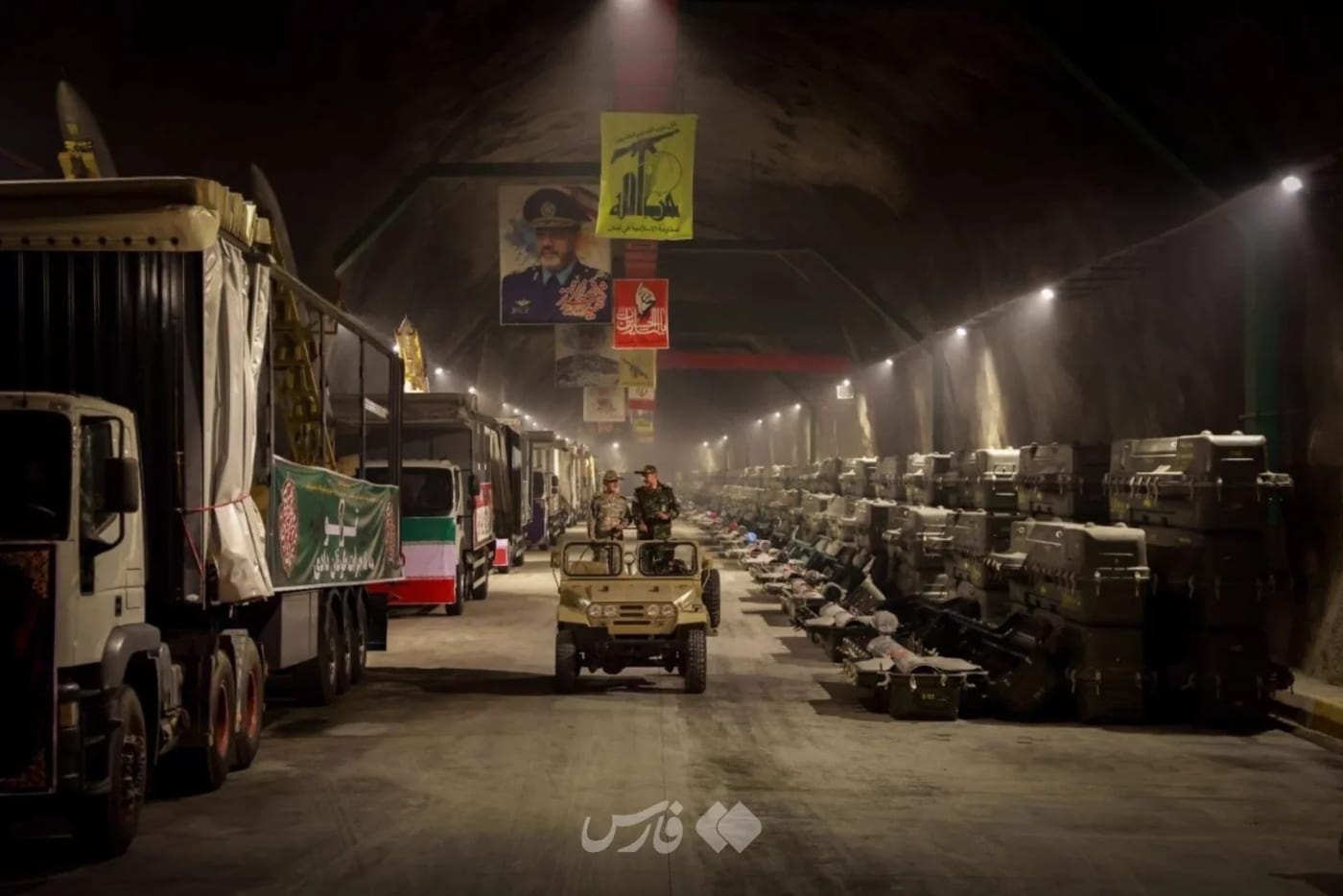
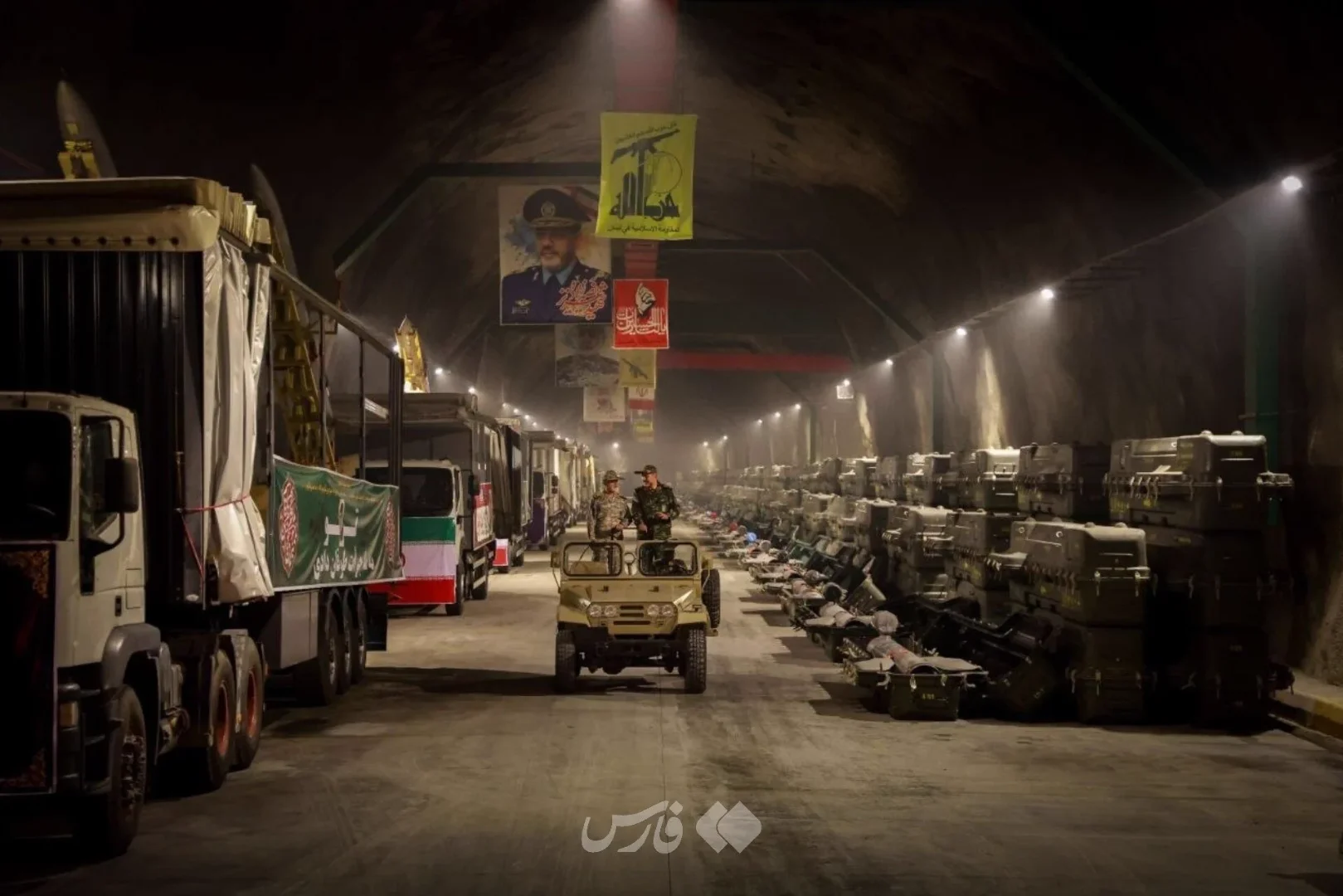
Amid escalating military tensions with the United States and Israel and growing fears of renewed conflict, Iran has unveiled a new underground ‘missile city’ to showcase its military capabilities. On Tuesday (November 10), the Islamic Revolutionary Guard Corps (IRGC) released a video of the inauguration ceremony of the new military facility. The footage showed various types of ballistic and cruise missiles, along with their launch vehicles and mobile launchers.
During the inauguration ceremony, Major General Ali Abdollahi, Chief of Staff of Iran’s Armed Forces, and Brigadier General Majid Mousavi, Commander of the IRGC Aerospace Force, inspected different sections of the underground facility. They reviewed the readiness of missile units and launchers, as well as their operational capabilities.
Speaking at the ceremony, Major General Ali Abdollahi warned that the advanced missiles stored and manufactured deep underground would surprise adversaries on the battlefield and demonstrate Iran’s military capabilities.
Earlier, on November 7, IRGC spokesperson Brigadier General Hossein Mohebbi announced that the Aerospace Force would unveil a new underground missile city and several other military capabilities as part of its week-long program. Tuesday’s unveiling is considered a continuation of that announcement.
Moving Weapons Production and Storage Underground
According to IRGC spokesperson Hossein Mohebbi, the country’s Aerospace Force has rapidly shifted its missile and drone production infrastructure from surface facilities to underground installations. These facilities are designed not only for weapons storage but also for manufacturing missiles deep beneath the ground.
According to Mohebbi, Iran’s domestic technological expertise, vast territory and decentralized production infrastructure would allow the country to maintain weapons manufacturing even under extensive aerial bombardment.
IRGC Claims 10 Major Advances in Military Capabilities
During the same press conference, Brigadier General Mohebbi outlined 10 major military and technological achievements of Iran’s Aerospace Force.
1. Indigenous Space Technology: Iran claims to have developed domestic capabilities in space technology through scientific innovation and research. According to the claims, this has helped the country reduce its dependence on imported military equipment and strengthen its ability to manufacture advanced weapons using indigenous technology.
2. Mass Weapons Production and Exports: Mohebbi claimed that Iran’s domestically developed Shahed-136 drones are being manufactured on an industrial scale. He also cited the Arman missile, the 358 drone and the Third Khordad air defense system as examples of military equipment being exported abroad.
3. Military Self-Reliance: The IRGC claims to have established an indigenous technological infrastructure without relying on foreign equipment or imported components. It also emphasized the development of advanced weapons through domestic research and engineering capabilities.
4. Maintaining Military Operations Under Bombardment: Mohebbi said Iran had developed the capability to continue military operations using light and heavy weapons, including short- and long-range systems, even under intense enemy bombardment and aerial attacks.
5. Intercepting Enemy Aircraft: According to the IRGC spokesperson, the Aerospace Force alone has destroyed or intercepted at least 260 adversary aircraft during recent military tensions. The list reportedly includes F-35, F-16, F-5 and F-18 fighter jets, as well as MQ-1, RQ-4, Orbiter and Lucas drones. However, these claims have not been independently verified.
6. Flexible Wartime Production: The IRGC says it has developed alternative and flexible manufacturing infrastructure designed to ensure that weapons production can continue even during extensive bombardment and other adverse conditions.
7. Stealth and Radar-Evasion Technology: Iran claims to have made technological advances in reducing the radar cross-section of missiles and drones, making them more difficult to detect. According to Mohebbi, these technologies could pose new challenges for advanced US air defense systems such as THAAD and Patriot. However, there is no independently verified evidence that these systems can be rendered completely ineffective.
8. Strategic Deterrence Capabilities: The IRGC says it is prepared to target critical military and technological infrastructure belonging to adversaries, particularly artificial intelligence facilities and data processing centers.
9. Integration of Science and Industry: Mohebbi highlighted efforts to accelerate military technological development through closer coordination between the military establishment, leading universities, research laboratories and industrial institutions across Iran.
10. Future Military Technologies: The IRGC spokesperson said several advanced military capabilities remain undisclosed. He warned that if adversaries take further military action or escalate the conflict, Iran could unveil new technologies that would astonish the world.
A New Military Message to the United States and Israel
Iran’s unveiling of the new underground missile city amid ongoing military tensions in West Asia is being viewed as a strategic message directed at Washington and Tel Aviv. Against the backdrop of tensions in the Persian Gulf, the recent US midterm elections and the continuing war in Ukraine, Tehran is publicly highlighting its military preparedness.
Iran has been developing underground missile storage facilities, launch sites and military installations for many years. These facilities are commonly referred to as ‘missile cities’. They are constructed deep underground and inside mountainous terrain as part of a strategy to protect missiles, launchers and other military equipment from potential aerial attacks.
During the 2025 war, Israeli forces targeted several Iranian missile launch sites, storage facilities and related military infrastructure. Subsequent reports, citing satellite imagery, indicated that Iran was repairing and rebuilding several damaged military installations.
Trump Announces Temporary Suspension of Airstrikes but Issues Fresh Warning
Meanwhile, US President Donald Trump has announced a temporary suspension of airstrikes against Iran, citing progress in negotiations, according to the reports. However, he has also warned that military operations could resume if circumstances change.
According to Trump's remarks, the United States has already identified several potential targets for possible future strikes. The list reportedly includes 38 bridges in Iran.
Overall, by unveiling the new underground missile city, Iran has sought to demonstrate its missile production, storage and operational capabilities while reinforcing its deterrence posture amid continuing tensions with the United States and Israel. However, the IRGC's claims regarding military achievements and battlefield successes should not be treated as independently established facts without separate verification.
Sources: Tasnim News Agency and Mehr News Agency.