Saudi Arabia Is Falling Apart—Donald Trump Makes Negative Remarks Amid Ongoing Middle East Tensions
Washington, United States | November 15, 2026 | The Global Journal
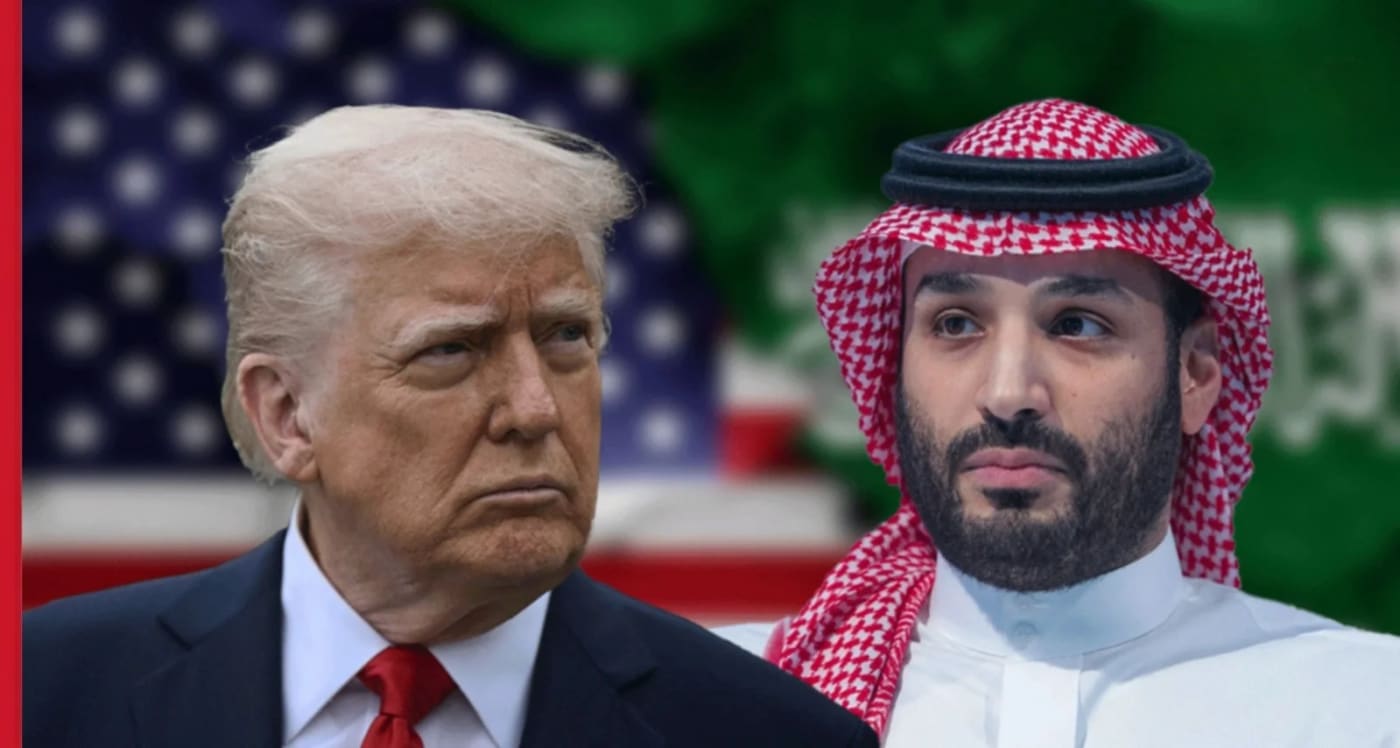
US President Donald Trump has sparked fresh controversy over the ongoing military tensions surrounding Iran and the security situation in the Gulf region. Trump described Saudi Arabia’s current situation as one in which the kingdom is “falling apart” and claimed that Riyadh had asked him not to further escalate military operations against Iran. Analysts believe his remarks about Saudi Arabia, a close US ally, could create diplomatic and political discomfort.
According to a report by Middle East Eye, Trump made the comments during an interview with Stephen A. Smith on Friday, November 13. During the interview, he claimed that the United States could destroy Iran’s critical infrastructure within just three days if he chose to do so. He identified the country’s energy sector, bridges and industrial production facilities as potential targets.
According to Trump, it would take one day to destroy Iran’s energy infrastructure, another day to demolish its bridges and a third day to eliminate its production capabilities. However, he claimed that Saudi Arabia and several other Gulf countries had asked him not to expand military operations for the time being.
Referring to Saudi Arabia’s position, Trump said the kingdom had urged him to leave the situation as it currently stands. In his words, “Saudi Arabia told me, leave it the way it is right now, because they’re falling apart.” He also mentioned Qatar, Kuwait, the United Arab Emirates and Bahrain, claiming that these countries likewise preferred maintaining the current situation.
Security Crisis in the Gulf and Saudi Arabia’s Concerns
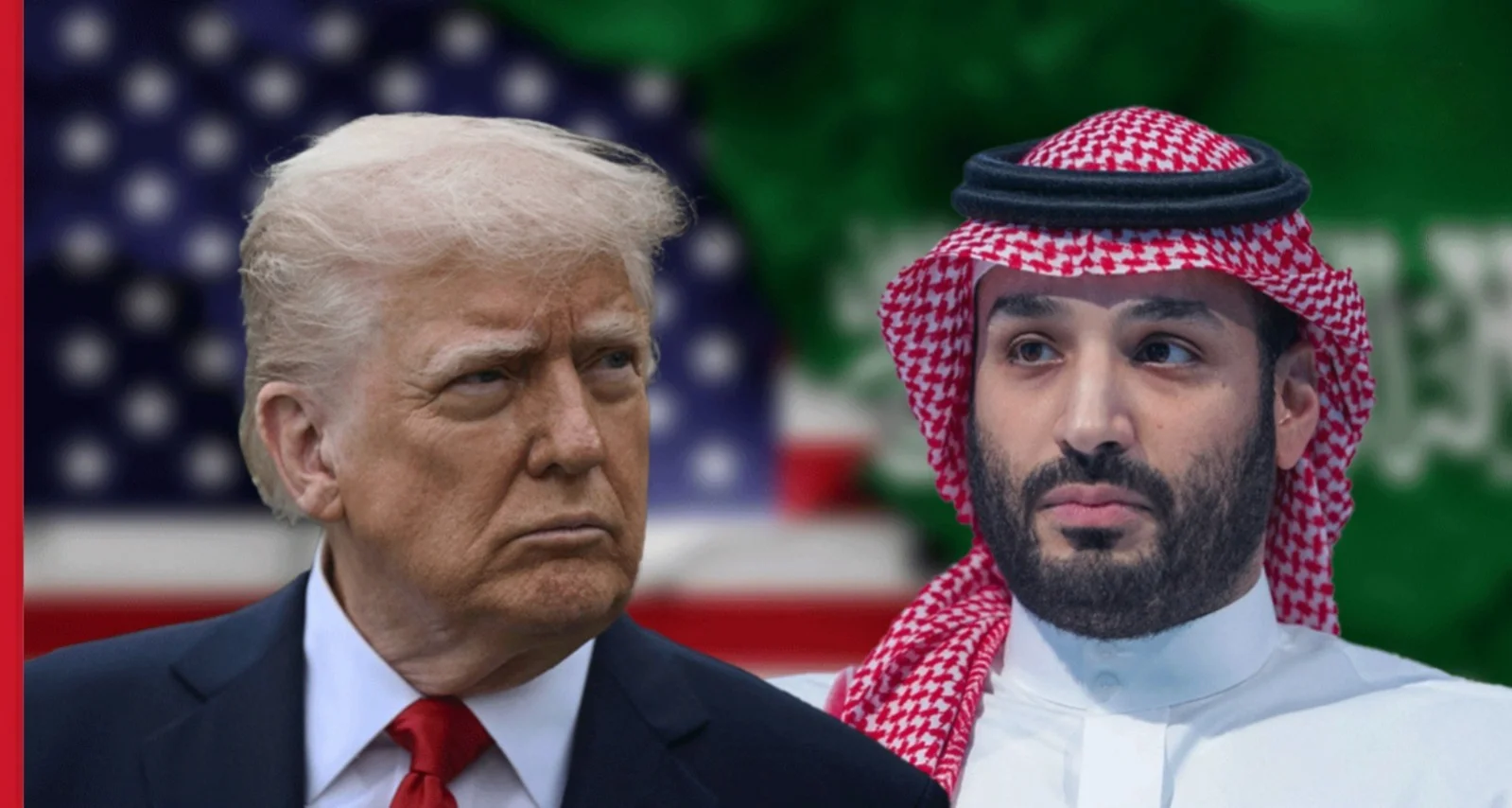
Trump has repeatedly highlighted his influence over Gulf countries and his relationship with Saudi Crown Prince Mohammed bin Salman. Since the end of World War II, US military assistance has played a significant role in Saudi Arabia’s security framework. Consequently, relations between Washington and Riyadh remain particularly important in Middle Eastern geopolitics.
Last March, when the conflict surrounding Iran intensified, Trump also made remarks about the Saudi crown prince. At the time, he said Mohammed bin Salman had not expected to face such a situation. Trump further claimed that the crown prince had once thought he would be like previous unsuccessful US presidents, but had subsequently found himself having to maintain a good relationship with Trump.
During US and Israeli military operations against Iran, several Gulf countries faced the threat of missile and drone attacks. Smaller countries in particular suffered considerable damage. Although Saudi Arabia initially managed to avoid relatively severe losses, the threat of attacks by Yemen’s Houthis increased later.
A ceasefire between Yemen’s Saudi-backed internationally recognised government and the Iran-backed Houthis collapsed last summer, leading to a renewed escalation of the conflict. As a result, Saudi airports, energy facilities and several cities have faced the threat of attacks, according to the report.
Economic Pressure, Investment and Uncertainty Over Energy Exports
Alongside the security crisis, the ongoing conflict is also affecting Saudi Arabia’s economy. As part of its efforts to diversify the economy and reduce dependence on oil, Saudi authorities have had to cancel important international conferences and events. Energy supplies and export operations have also faced disruptions.
Although many analysts agree with Trump’s assessment of the impact of the conflict on Gulf countries, not everyone within the US administration has expressed the same position. Earlier this week, US Secretary of State Marco Rubio reportedly sought to downplay concerns over the difficulties faced by Gulf countries.
During the interview, Trump also claimed that Gulf countries had invested enormous amounts of money in the United States. In his words, these countries were spending “trillions and trillions of dollars” in America. His remarks also highlighted the importance of economic ties with these countries alongside their security relationship with Washington.
Meanwhile, in September, the US State Department approved the potential sale of up to 48 F-35 fighter jets to Saudi Arabia. The proposed defence deal is valued at approximately $24 billion, according to the report.
Strategy to Increase Pressure on Iran Through the Strait of Hormuz
Meanwhile, the Trump administration has indicated that it has no immediate plans to launch a renewed full-scale military campaign against Iran. Instead, it has adopted a strategy of imposing a blockade on the Strait of Hormuz to increase economic pressure on Tehran.
Earlier this week, Marco Rubio said that the oil currently unable to move regularly through the Strait of Hormuz was primarily Iranian oil. He claimed that economic pressure on the country had already had a significant impact. According to Rubio, the president therefore sees no need for a major military operation at this stage.
Overall, the conflict surrounding Iran is increasingly complicating the security, economic and diplomatic landscape of the Gulf region. Trump’s latest remarks about Saudi Arabia and his claim that Riyadh has urged him to limit further military escalation have brought a new dimension to relations between Washington and its Gulf allies. However, in the absence of an official response from the Saudi government, it remains difficult to determine Riyadh’s actual position.
Source: Middle East Eye.