
Why the SCO Summit in Kyrgyzstan Is More Important Than Ever for Indian Diplomacy and BRICS Countries Summit
— Global Journal | Bishkek | August 31
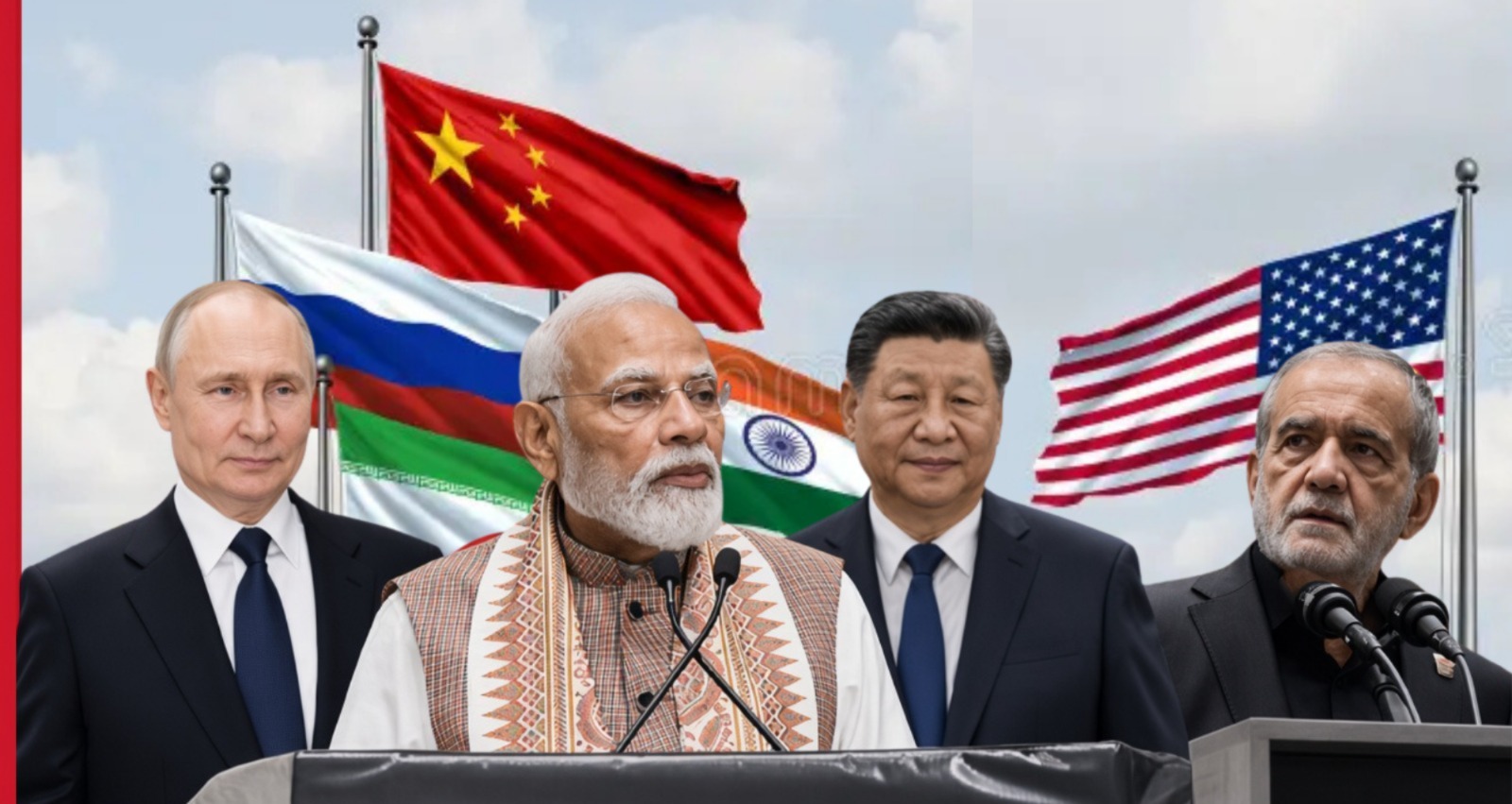
The 26th Shanghai Cooperation Organisation (SCO) Summit is being held in Bishkek, the capital of Kyrgyzstan, bringing together the leaders of India, Russia, China, Iran, Pakistan and other member states.
The summit, marking the 25th anniversary of the organisation, comes at a critical moment for Eurasian geopolitics and holds particular importance for India's diplomatic strategy.
For New Delhi, the summit offers an important platform to engage with major regional powers, strengthen ties with Central Asia and coordinate positions ahead of the upcoming BRICS Summit in New Delhi.
A Major Platform for Regional Diplomacy
The SCO has evolved into an important forum for security cooperation, economic engagement, connectivity and diplomatic dialogue across Eurasia. Its membership includes India, China, Russia, Iran, Pakistan and the Central Asian republics, making it particularly relevant to India's regional strategy.
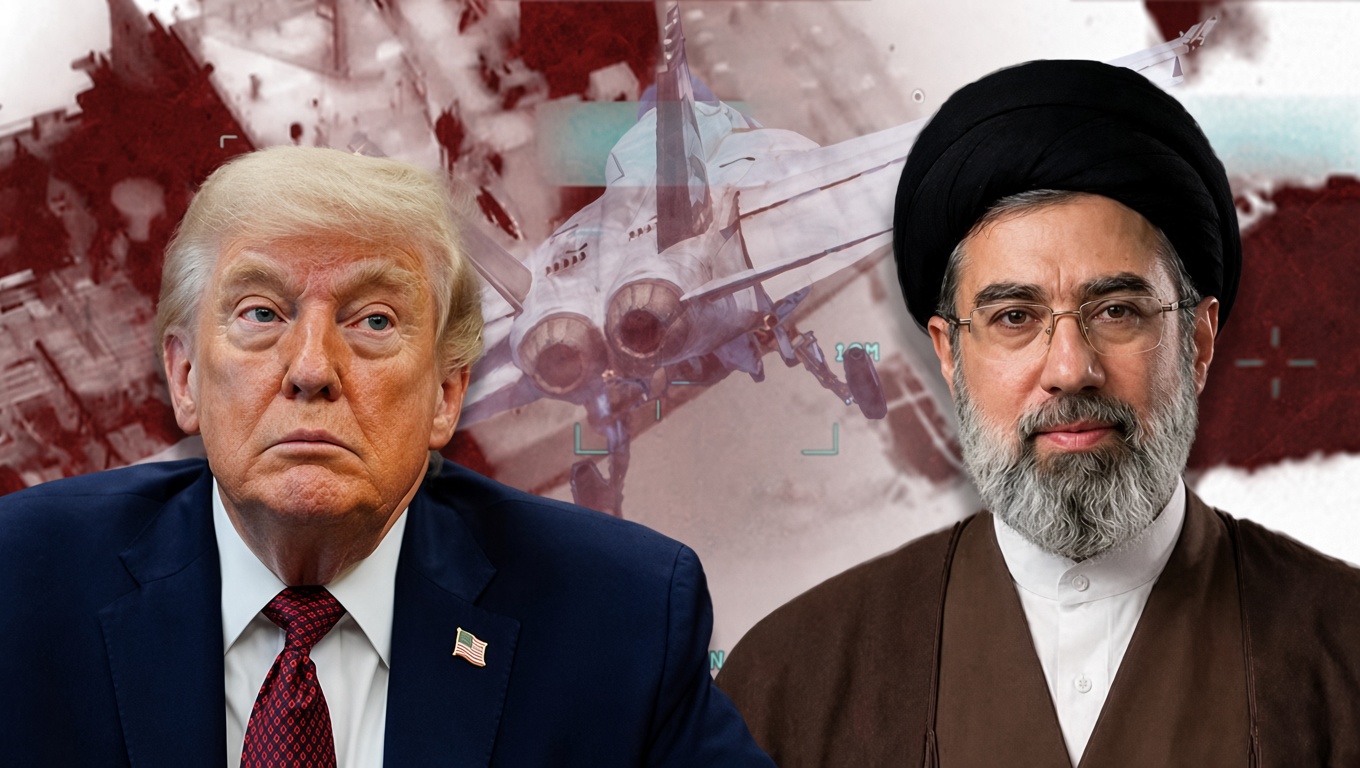
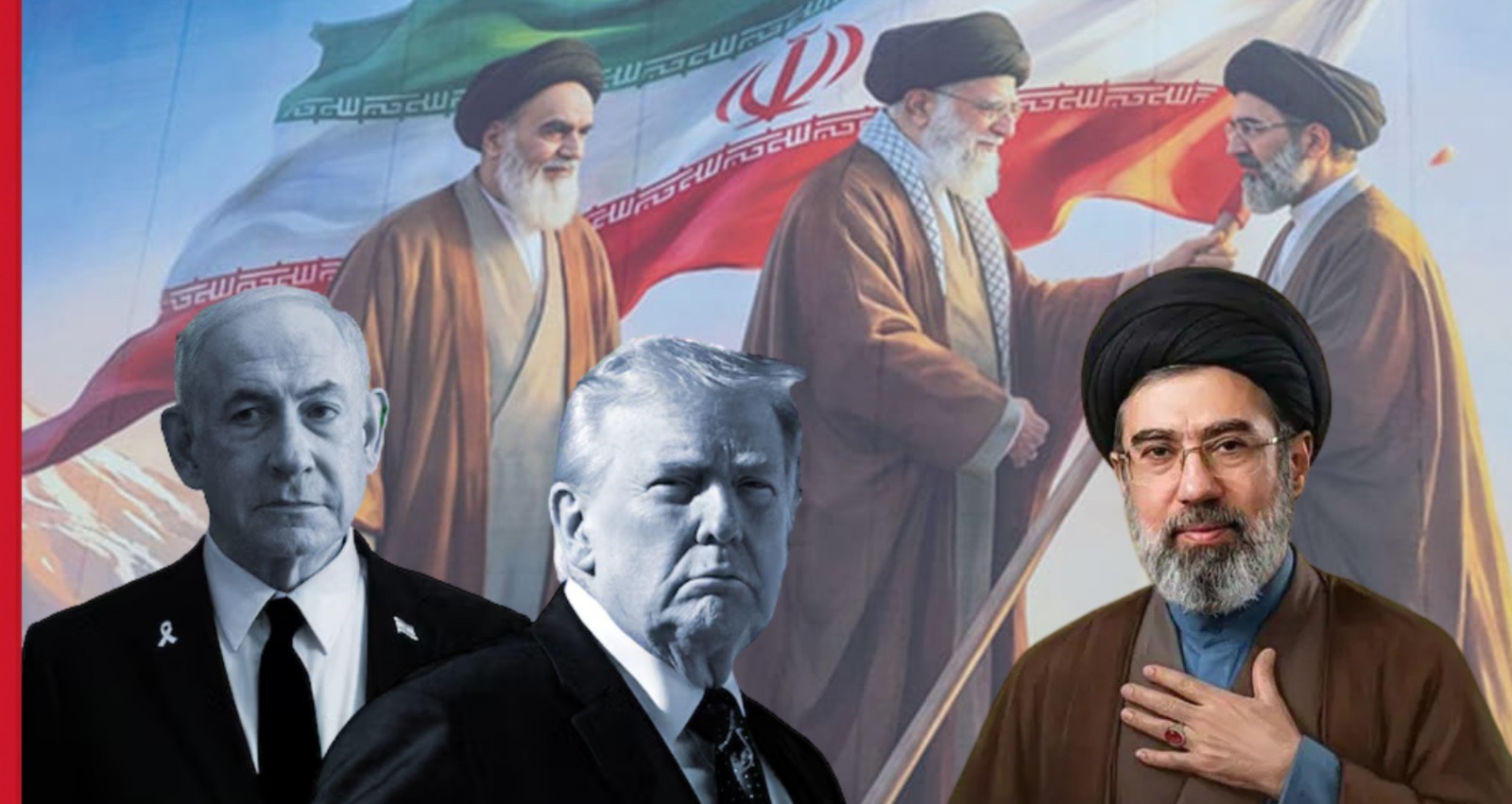
The Bishkek summit is taking place amid significant geopolitical tensions, including conflicts involving Russia and Iran and continuing competition among major global powers. These developments are expected to shape discussions on regional security, terrorism, energy and economic cooperation.
Important Ahead of the BRICS Summit
For India, one of the key reasons the Bishkek meeting matters is its timing ahead of the BRICS Summit in New Delhi.
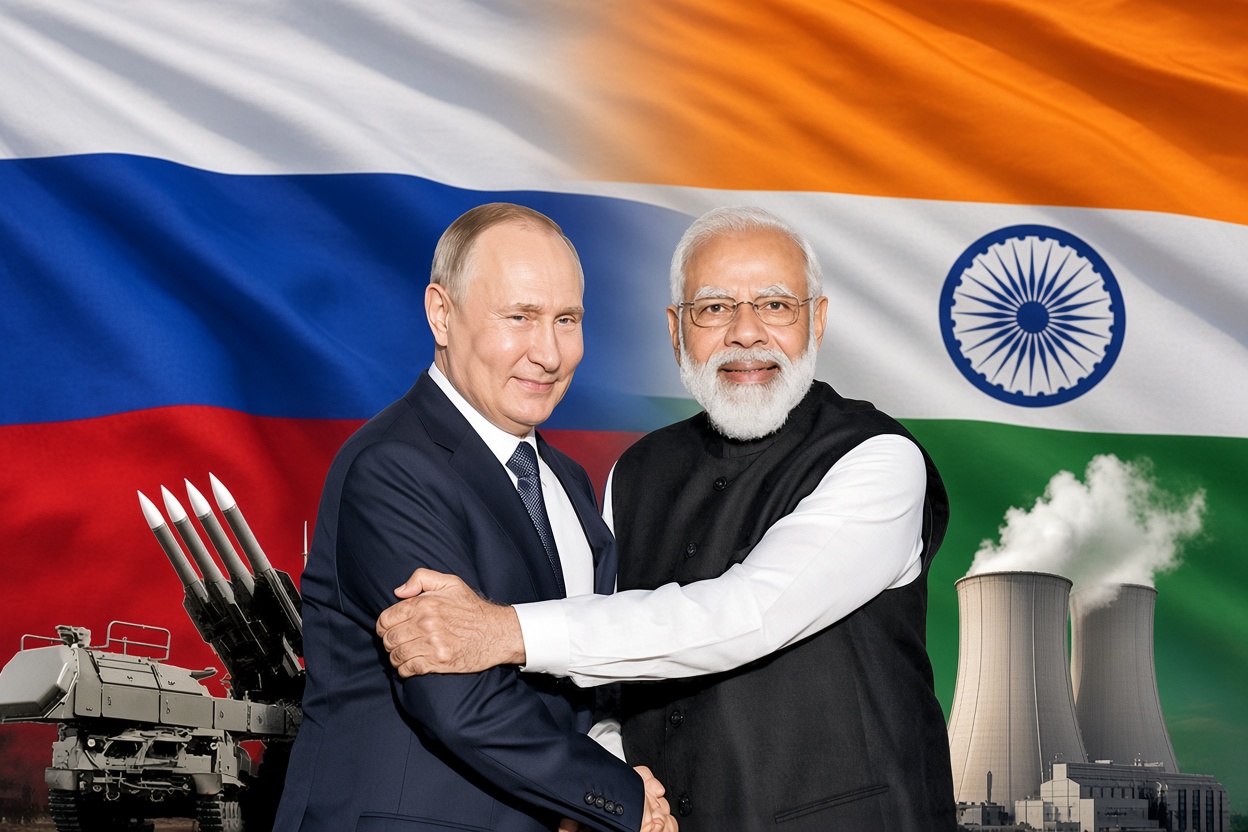
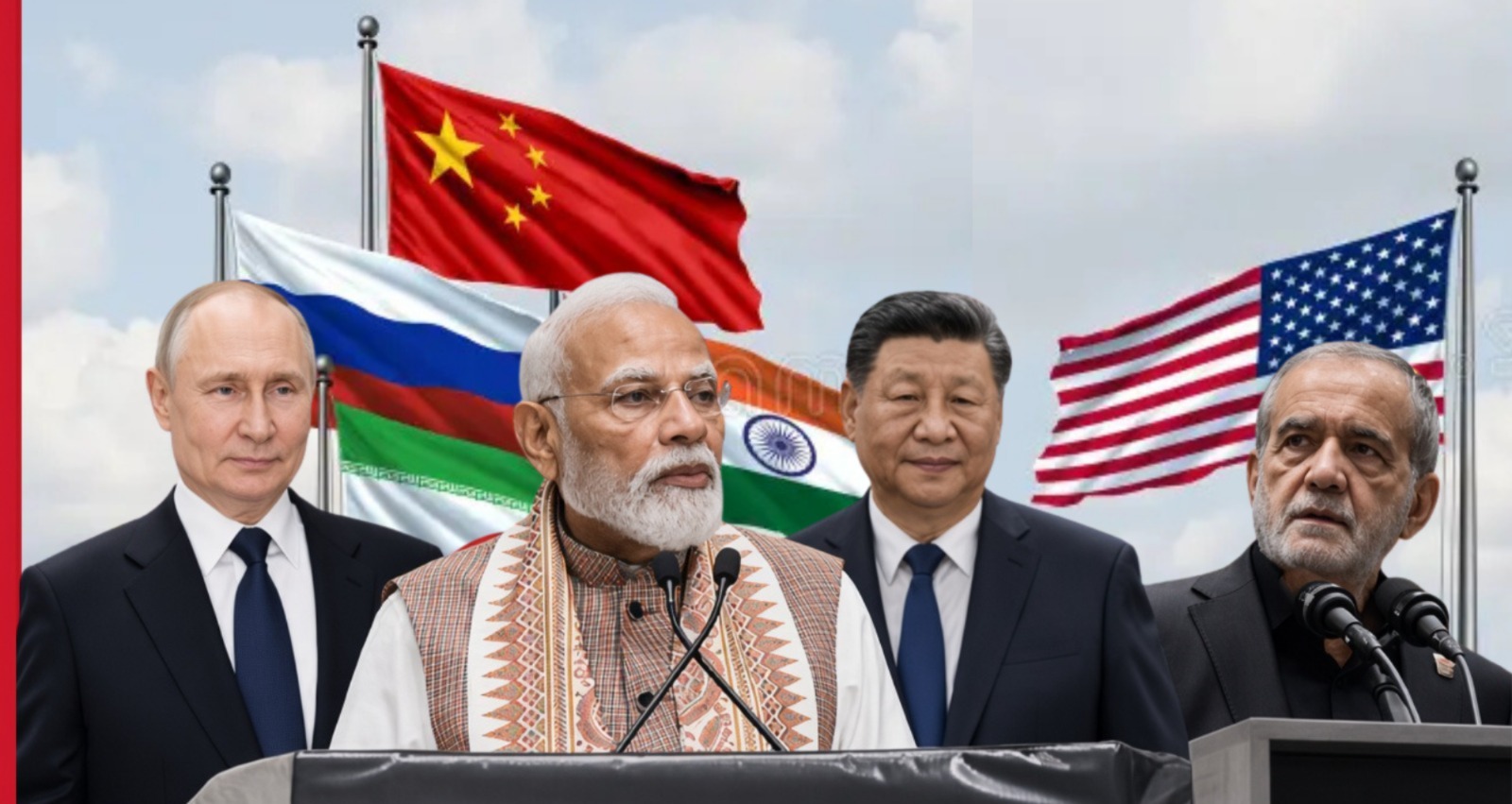
Prime Minister Narendra Modi is expected to use the SCO platform for bilateral engagement with several leaders, including Russian President Vladimir Putin and Iranian President Masoud Pezeshkian. Issues such as energy security, regional stability, trade routes and the wider situation in West Asia are expected to be important areas of discussion.
The summit therefore provides New Delhi with an opportunity to build diplomatic understanding with major Eurasian partners before the BRICS meeting.
India-China Relations in Focus
The presence of Prime Minister Modi and Chinese President Xi Jinping has also placed India-China relations under the spotlight.
Although expectations surrounding a formal bilateral meeting remain cautious, their participation in the same multilateral forum creates opportunities for diplomatic engagement. The two countries have been working to stabilise relations following years of tensions, particularly over their disputed border.
Strengthening India's Central Asia Strategy
The Bishkek summit also provides India with an opportunity to deepen its political, economic and security engagement with Central Asia.
Connectivity, transport corridors, energy cooperation and trade are becoming increasingly important elements of India's Central Asia policy. The region also offers India strategic access to the wider Eurasian economic and security landscape.
Prime Minister Modi's Central Asia visit, including his stop in Uzbekistan before travelling to Kyrgyzstan, reflects New Delhi's broader effort to strengthen these relationships.
Russia's Strategic Interests
The summit is equally significant for Russia. Moscow is seeking to maintain its influence in Central Asia and strengthen relations with non-Western partners amid continuing geopolitical pressure and the war in Ukraine.
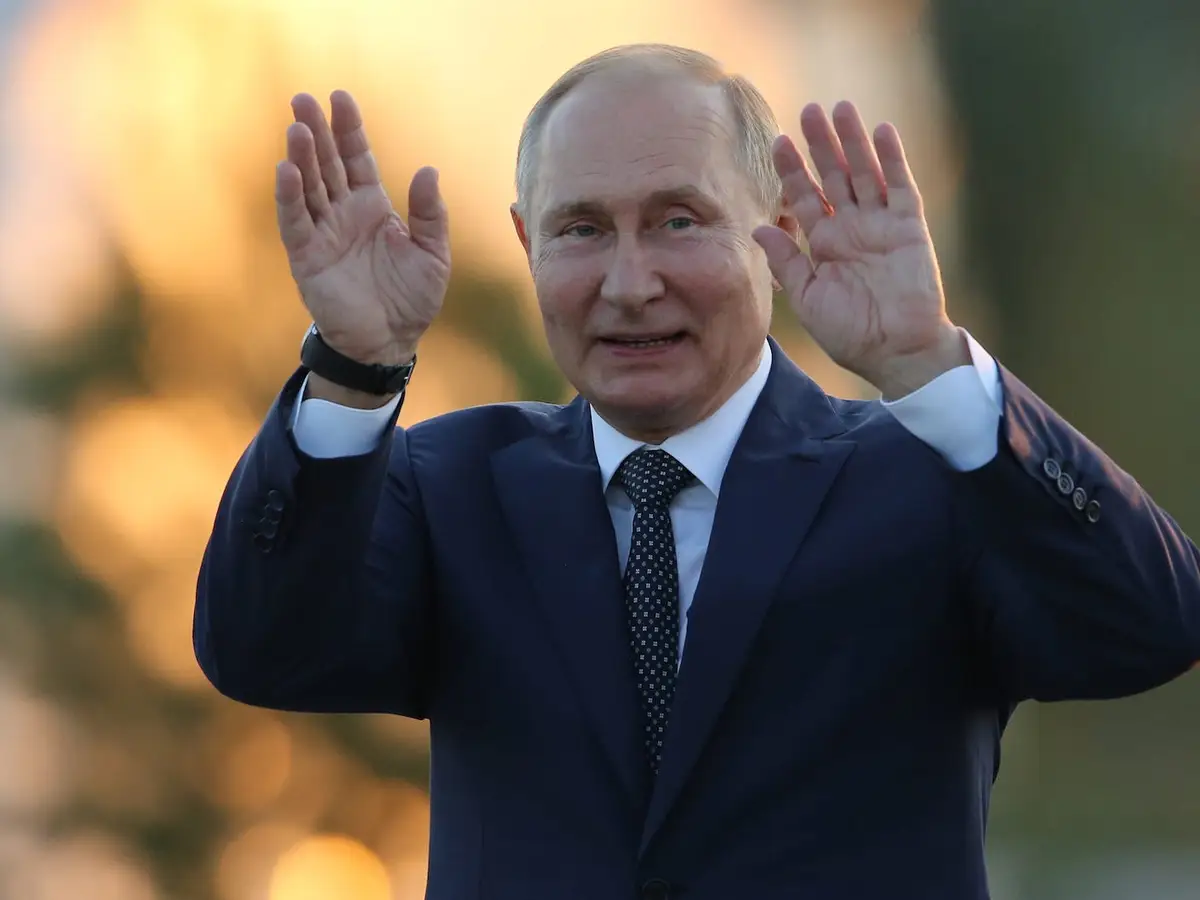
President Vladimir Putin is expected to hold several bilateral meetings on the sidelines of the summit, including discussions with other major regional leaders.
Why Bishkek Matters for India
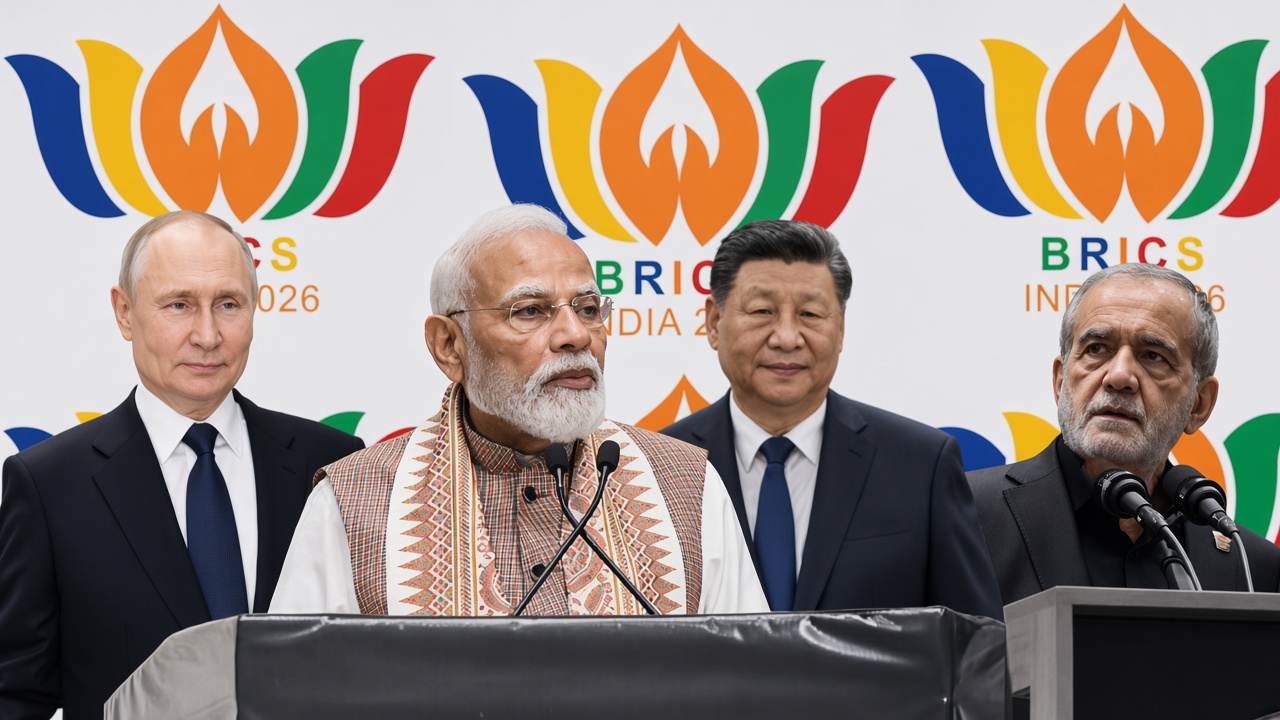
For New Delhi, the SCO summit is more than another multilateral gathering. It provides an opportunity to advance several priorities simultaneously—Central Asian diplomacy, BRICS coordination, India-China engagement, regional security, energy security and relations with Russia and Iran.
The outcome of the summit and the bilateral discussions held alongside it could influence India's diplomatic priorities in the coming months, particularly as New Delhi prepares to host the BRICS Summit.
— Global Journal | Bishkek | August 31
Sources: Reuters, India Today and international reports