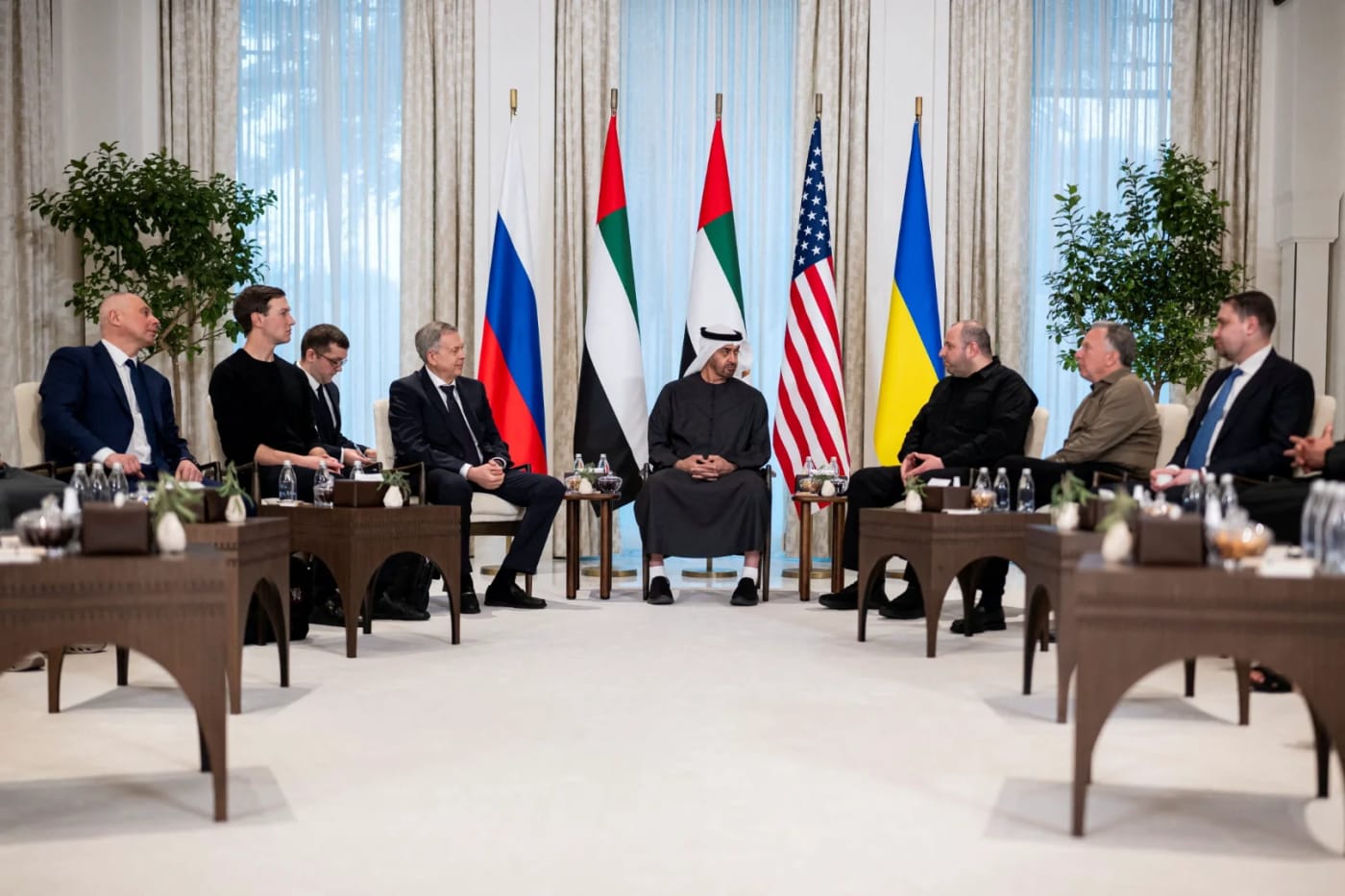

Fresh diplomatic efforts have begun to end the Russia-Ukraine war. Representatives from Russia, Ukraine, and the United States have gathered at the same table in Abu Dhabi
Abu Dhabi, United Arab Emirates | November 10, 2026 | The Global Journal
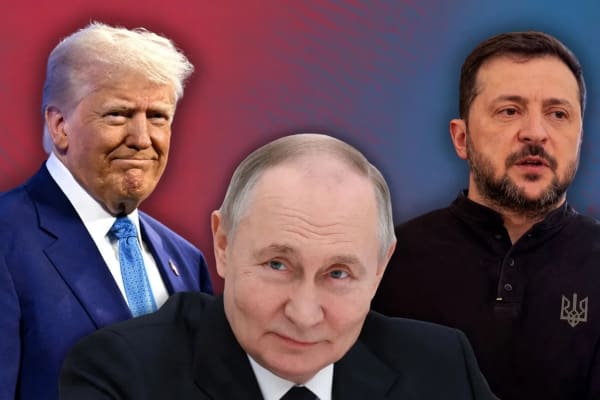
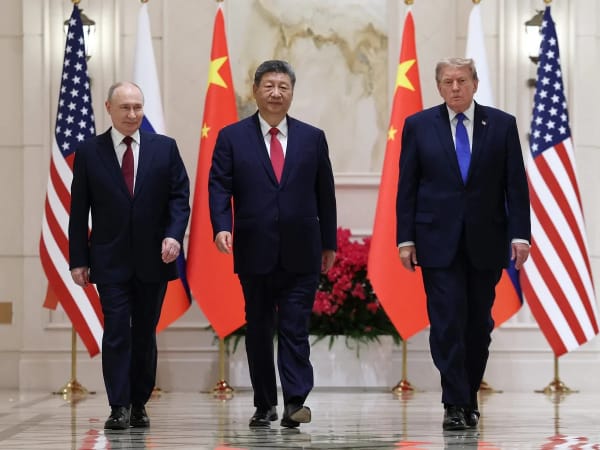
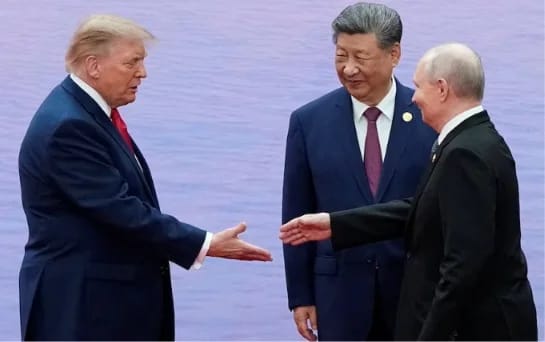
Diplomatic efforts to end the Russia-Ukraine war have entered a critical phase as trilateral negotiations involving Russia, Ukraine, and the United States began in Abu Dhabi on Tuesday. Washington has expressed its determination to push for a lasting settlement, describing its objective as achieving a “final end” to the conflict.
The talks mark the first substantive negotiations between Moscow and Kyiv since February and come amid continuing military tensions and significant geopolitical developments. The negotiations are being closely watched as the administration of US President Donald Trump seeks to advance a diplomatic framework capable of ending the prolonged war.
The Abu Dhabi meeting also comes after the United States launched joint military strikes with Israel against Iran and following recent US midterm elections that have weakened Trump's domestic political position.
Meanwhile, alongside the negotiations in Abu Dhabi, Ukrainian Foreign Minister Andrii Sybiha held separate discussions with US Secretary of State Marco Rubio in Paris. Rubio is visiting France from November 8 to 10, accompanied by Under Secretary for Political Affairs Allison M. Hooker and Assistant Secretary for Global Public Affairs Dylan Johnson.
Rubio and Sybiha are also scheduled to participate in a G7 family photograph and a working lunch of G7 foreign ministers focused on support for Ukraine.
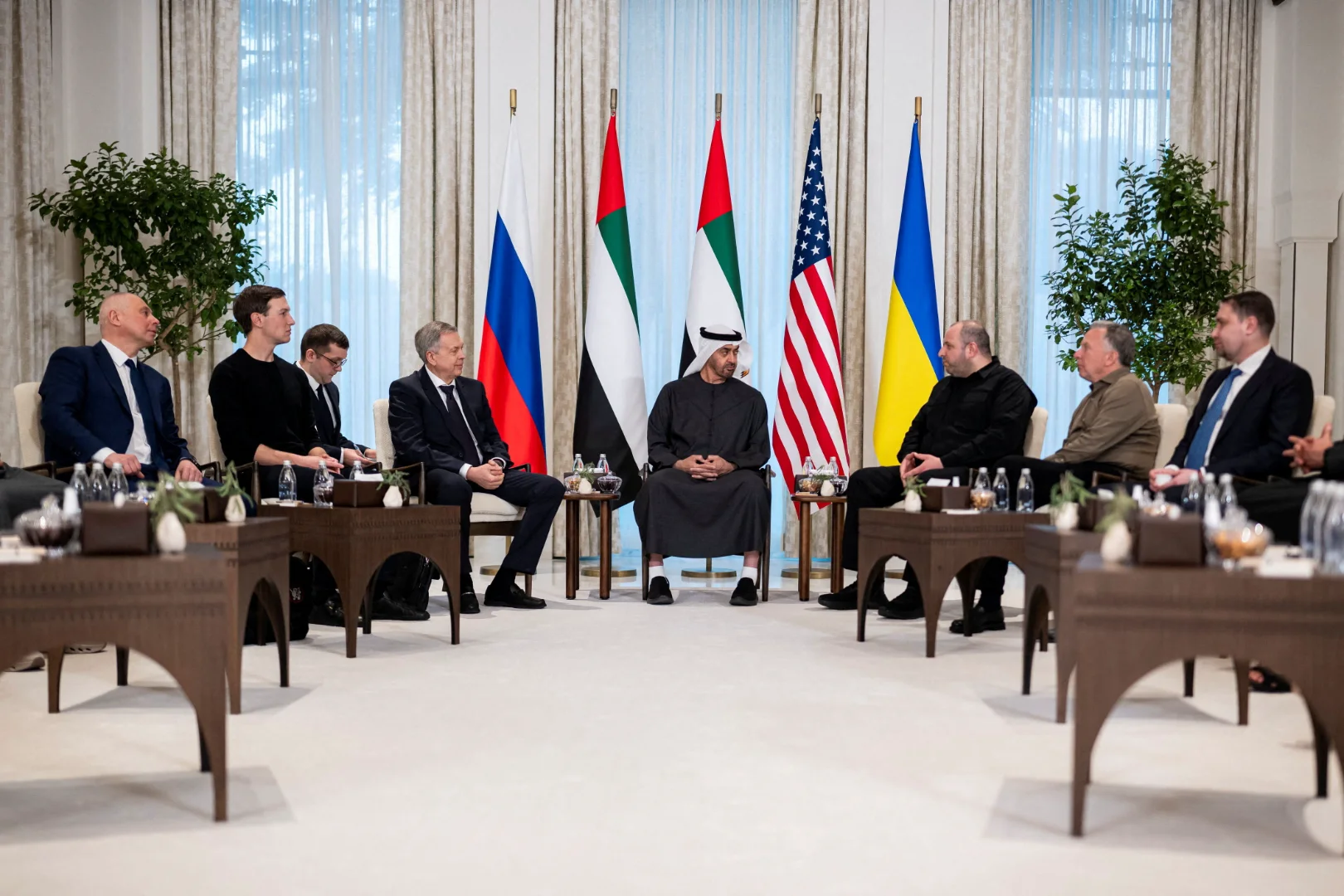
Washington's proposed security framework
At the centre of Washington's diplomatic initiative is what US administration officials describe as a “long-term security architecture” between Russia and Europe. Although the details remain under discussion, the proposal is intended to establish mechanisms for reducing tensions and preventing future conflicts.
Jared Kushner, US President Donald Trump's son-in-law and one of the leading negotiators, outlined some elements of the proposed framework on Monday. These include stronger consultations, reliable crisis communication channels, greater military transparency, and reciprocal measures to reduce the risks of escalation.
Kushner also emphasized that the sovereignty and independent decision-making of every nation would be fully respected.
US Secretary of State Marco Rubio indicated that some progress had been made in discussions over the proposed security framework.
Ahead of the negotiations, a US official said European countries would need to be directly involved in the process. Among the possibilities under consideration are reviving the NATO-Russia Council, which was suspended following Russia's full-scale invasion of Ukraine in 2022, and potentially easing sanctions imposed on Moscow if doing so helps secure a peace agreement.
NATO-style security guarantees for Ukraine
Another major issue under discussion is the possibility of providing Ukraine with security guarantees modelled on Article 5 of the NATO treaty.
According to US officials, Washington has raised the proposal with Moscow. One official suggested that Ukraine could receive security protections “very similar to NATO” and described a potential US security guarantee as a significant issue for Trump and Ukrainian President Volodymyr Zelenskyy to discuss.
However, Moscow has consistently opposed Ukraine's NATO membership and the deployment of Western military forces on Ukrainian territory.
The proposed guarantees have also raised questions about their practical implementation, particularly regarding what circumstances would trigger a military response. NATO's Article 5 does not prescribe an identical military response from every member, while cyberattacks and other forms of hybrid warfare have further complicated the definition of an armed attack.
European concerns over possible concessions to Moscow
European countries are also seeking a direct role in shaping the proposed settlement. Delegations from Germany, France, the United Kingdom, Italy, and the European Union are holding discussions with US negotiators over ways to prevent future conflicts.
However, European officials have expressed concerns that Washington's proposed framework remains unclear and could involve significant concessions to Russia.
One major concern is that Moscow may demand NATO withdraw or reduce its military presence across parts of Eastern Europe, potentially weakening the security of countries along Russia's western borders.
Russian President Vladimir Putin has repeatedly criticized NATO's eastward expansion, an issue that has remained central to Moscow's confrontation with Western governments.
EU foreign policy chief Kaja Kallas addressed the issue during a G7 foreign ministers' meeting on Monday. She argued that Europe already has an established security architecture and pointed out that Russia has undertaken international obligations concerning sovereignty and territorial integrity but has failed to respect them.
Trump's position on Ukraine's territorial future
US President Donald Trump has also indicated that Ukraine may be expected to make territorial concessions as part of a final peace settlement. He suggested that the country could emerge from an agreement in a “little bit different shape.”
Following a meeting last week with Kremlin adviser Kirill Dmitriev, Trump expressed his desire for a “big, beautiful agreement” that could potentially involve the wider European region.
However, these remarks have intensified concerns among critics that Washington and Moscow could attempt to negotiate the terms of a settlement without adequately involving European leaders or fully addressing Ukraine's interests.
As the Abu Dhabi negotiations continue, major differences remain over territorial arrangements, Ukraine's future security, NATO's role in Europe, and the possibility of easing sanctions against Russia.
The outcome of the talks could have far-reaching implications for European security and the future of international relations. Whether the negotiations can bridge the deep divisions between Moscow and Kyiv and produce a lasting peace agreement remains to be seen.