“president Putin’s One-Man Empire?” Russia Hosts Summit to Strengthen Ties with Africa, Nearly 50 of 54 African Nations Attend
Moscow, Russia | October 29, 2026 | The Global Journal
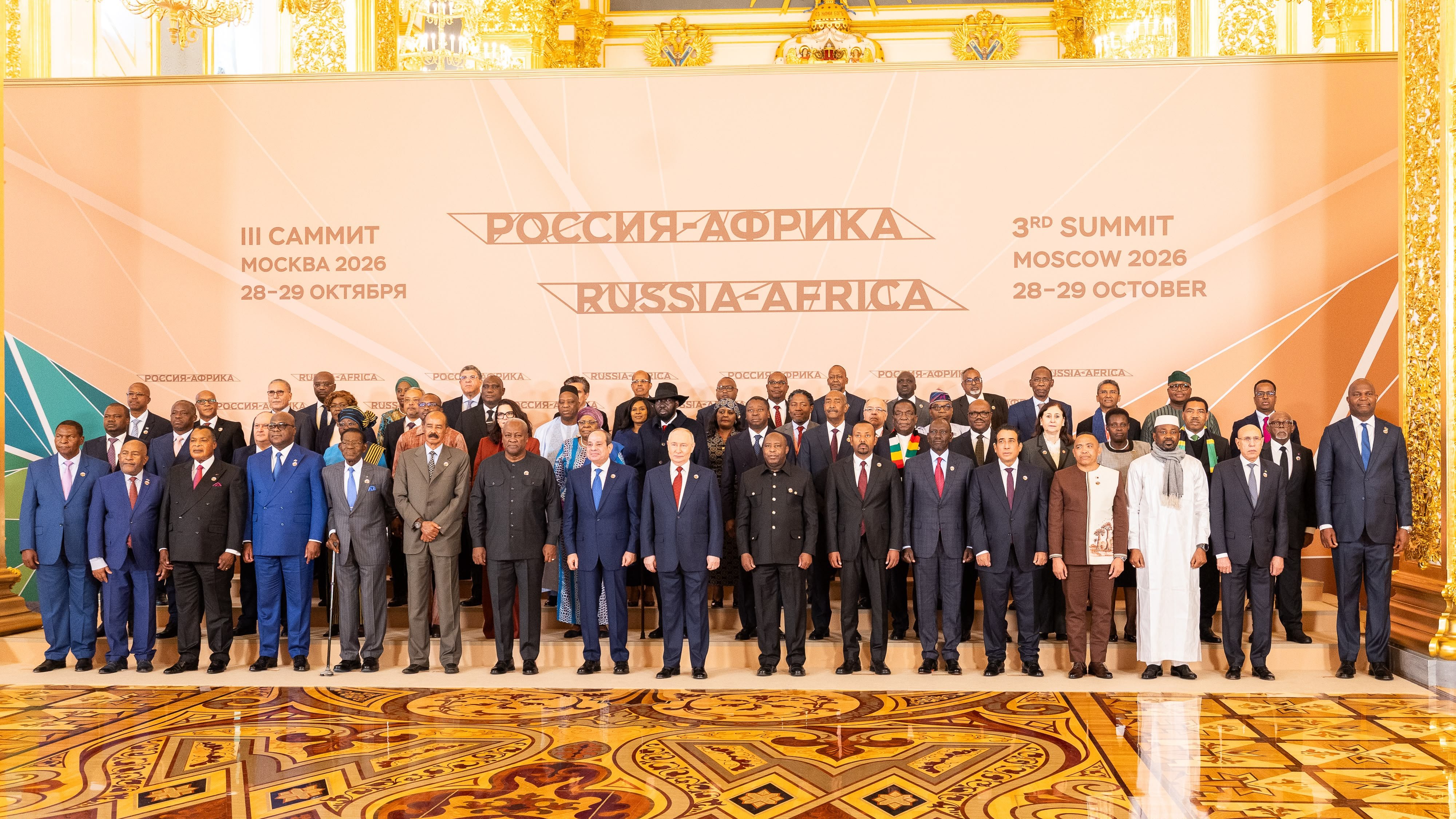
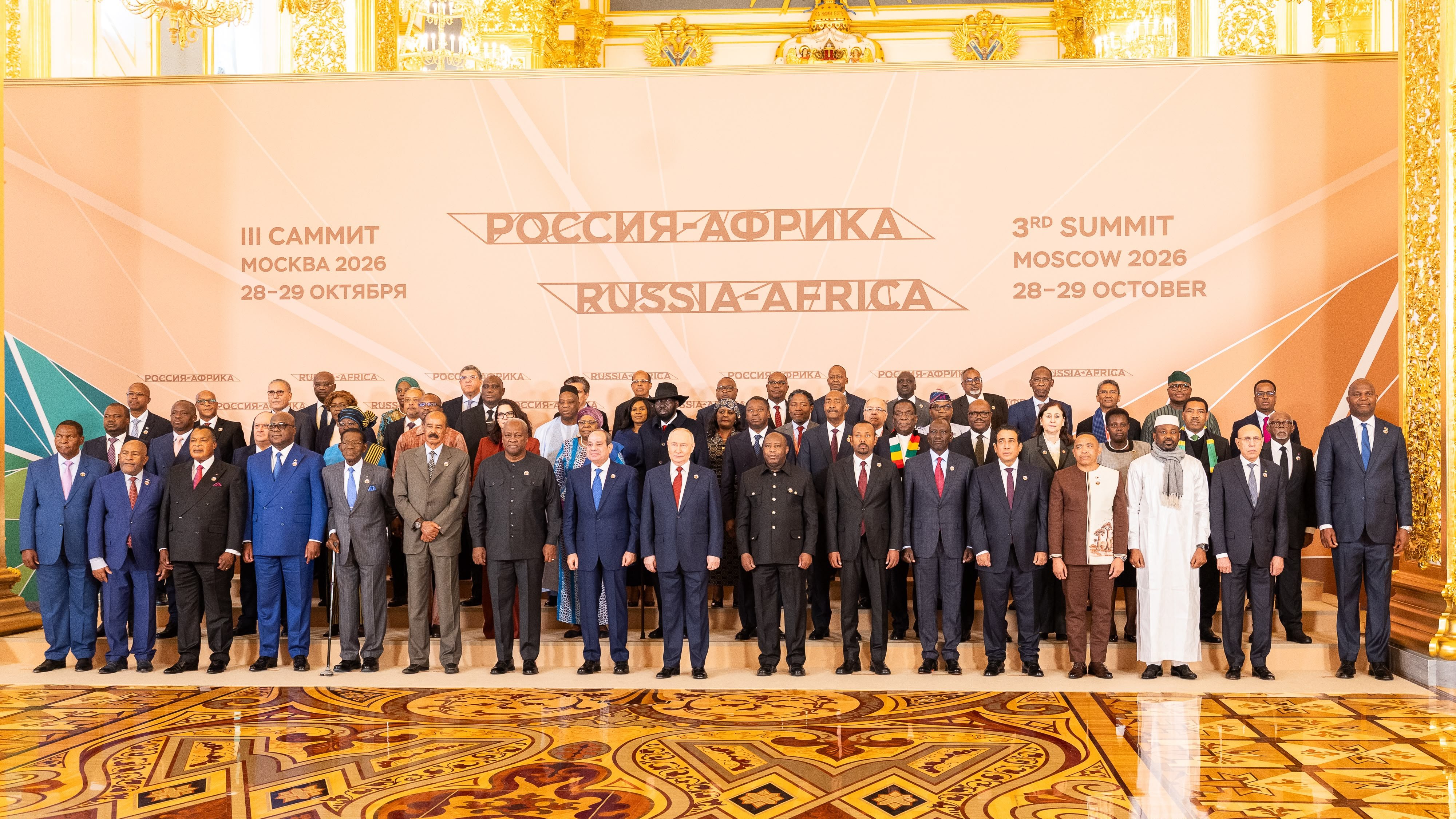
Nearly 50 of Africa’s 54 countries participated in the Russia-Africa Summit held in Moscow, as Russia sought to expand its political, economic and strategic influence across the continent. Around 20 of those countries were represented by their heads of state or government. Through the summit, Moscow moved to strengthen cooperation with African nations in trade, investment, food security, education and defence.
The summit concluded on Thursday (October 29), with Russian President Vladimir Putin meeting African leaders and emphasizing the longstanding relationship between Russia and Africa, their shared interests and cooperation in building a multipolar world order.
Addressing African leaders at the Kremlin, Putin said, “Russia and Africa are truly bound by strong friendship and close partnership.”
He added that the two sides were natural allies in building “a multipolar, genuinely democratic world order.” According to Putin, such an international system should be free from unilateral dictates and double standards and based on respect for international law and the fundamental principles of the UN Charter.
The Russian president also recalled Moscow’s support for African countries during their struggles against colonial rule in the Soviet era. He said Russia had consistently supported—and continued to support—African nations in protecting their sovereignty, achieving sustainable development and strengthening their economies and social sectors.
Russia’s Strategy to Expand Its Influence in Africa
With a population of approximately 1.6 billion, Africa is becoming increasingly important in global politics and the economy. Its 54 countries collectively form the largest voting bloc at the United Nations, giving them significant diplomatic influence on international issues.
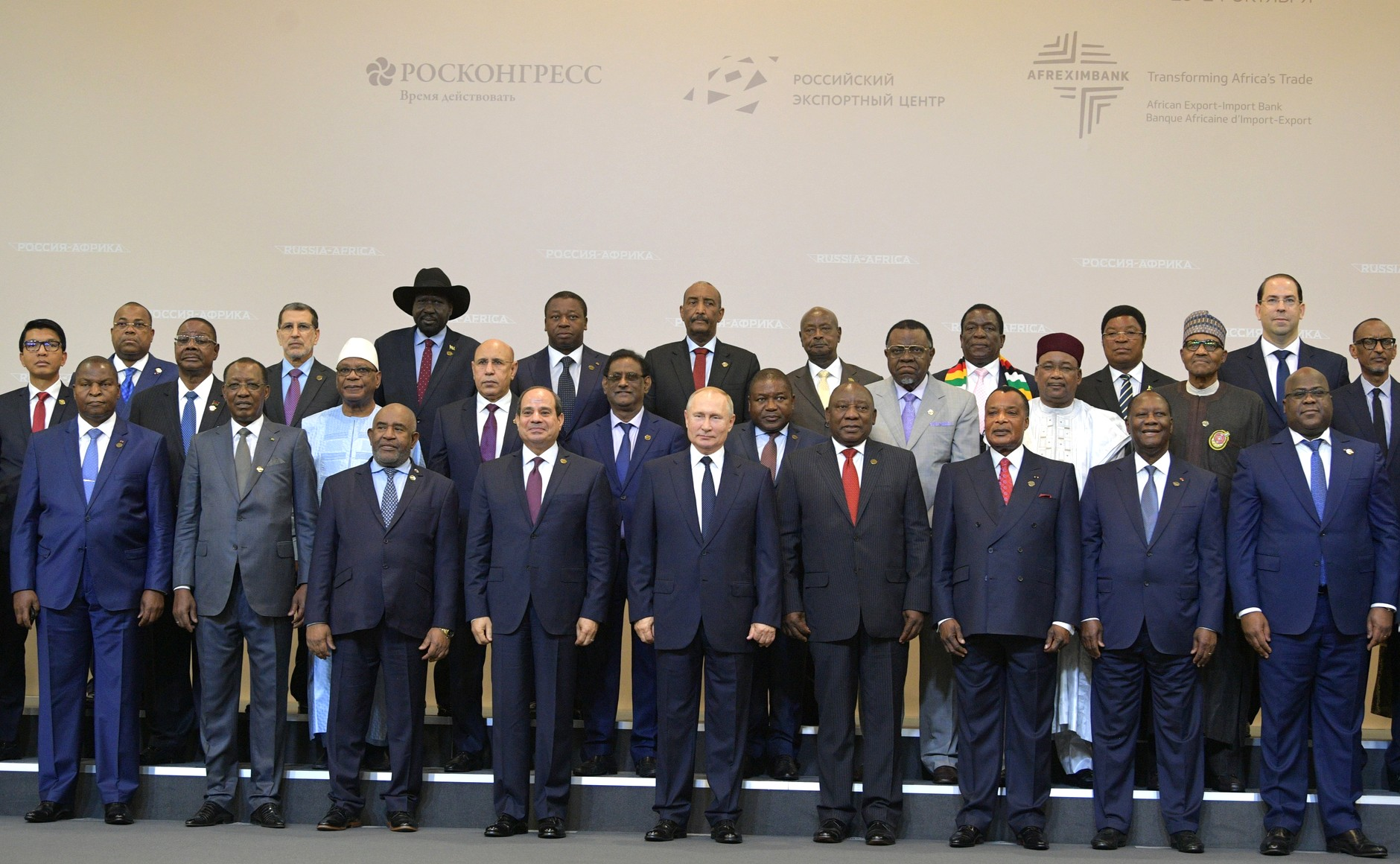
Moscow hosted the first Russia-Africa Summit in 2019 and the second in 2023. The participation of nearly 50 African countries in this year’s summit reflects the breadth of Russia’s diplomatic engagement with the continent.
However, participation in the summit should not be interpreted as full endorsement of Russia’s policies by every African country. Individual nations have their own economic, security and diplomatic interests in developing relations with Moscow.
Commitment to Expanding Trade and Investment
Putin said Russia’s trade with African countries exceeded $27 billion last year and pledged to increase bilateral trade further.
According to the Russian president, Russian companies are working on major investment projects across Africa in sectors including energy, mineral resources, industrial cooperation, transportation and logistics.
Putin claimed that Russian businesses operate with African partners on the basis of honesty, respect and equality. He said Russian companies reinvest earnings in the economic development of host countries, share technology and expertise, involve local contractors and help create new production facilities and employment opportunities.
Russia’s Role in Food Security
Putin also highlighted Russia’s role as a major supplier of grain and other agricultural products to African markets. According to figures he presented, Russia supplied more than 18 million metric tonnes of grain to African countries last year and another 13 million metric tonnes during the first nine months of this year.
He also reported an increase in mineral fertiliser exports. Russia exported approximately 1.5 million metric tonnes of mineral fertilisers to Africa last year, while exports had exceeded 2.2 million metric tonnes so far this year, according to Putin.
International grain and fertiliser markets play an important role in agricultural production and food supply systems across many African countries. Russia’s agricultural exports therefore have direct implications for the continent’s food security and agricultural economy.
Cooperation in Health, Education and Defence
The Russian president also highlighted cooperation with African countries in health and education. According to figures he provided, around 40,000 students from African countries are currently studying at Russian universities.
Putin also stressed the importance of security and defence cooperation. He said Russia was helping African countries maintain internal stability and security while strengthening the capabilities of their armed forces and law-enforcement agencies.
According to the Russian president, Moscow has intergovernmental agreements on military and military-technical cooperation with 45 African countries. The nature and scope of cooperation under these agreements may vary from country to country.
Global Competition for Influence in Africa
Russia is not the only major power seeking to expand its influence in Africa. The United States, European countries and China are also working to strengthen their positions across the continent through economic, energy, mineral, security and diplomatic engagement.
International media reports have highlighted Russia’s efforts to expand its influence through security cooperation and military involvement in several African countries. These activities have also sparked debate over local security, political stability and the consequences of foreign military involvement.
The Russia-Africa Summit is therefore about more than trade and diplomatic relations. It is also part of the broader competition among global powers for influence across the African continent.
What Lies Ahead for Russia-Africa Relations?
The participation of nearly 50 African countries in the Moscow summit has provided Russia with an opportunity to expand its diplomatic engagement across the continent. Through commitments on trade, investment, food supplies, education and defence cooperation, Moscow is seeking to build long-term partnerships with African nations.
However, the future of these relations will depend on how far the commitments made at the summit translate into practical projects, how effectively investments are implemented and whether the benefits of cooperation reach the people of the participating countries.
Sources: Associated Press (AP); remarks by Russian President Vladimir Putin at the summit.