
Netanyahu's Political Exit Bell Has Rung! Opposition Leader Gadi Eisenkot Set to Become Israel's New Prime Minister
Jerusalem, Israel | November 8, 2026 | The Global Journal
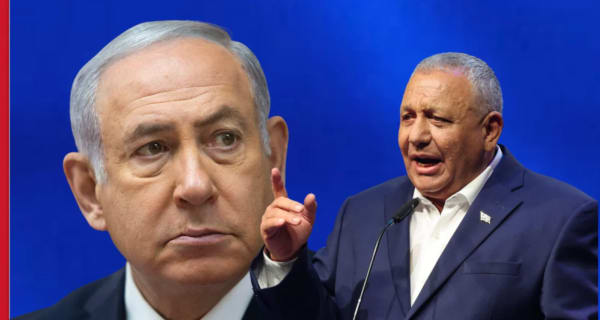
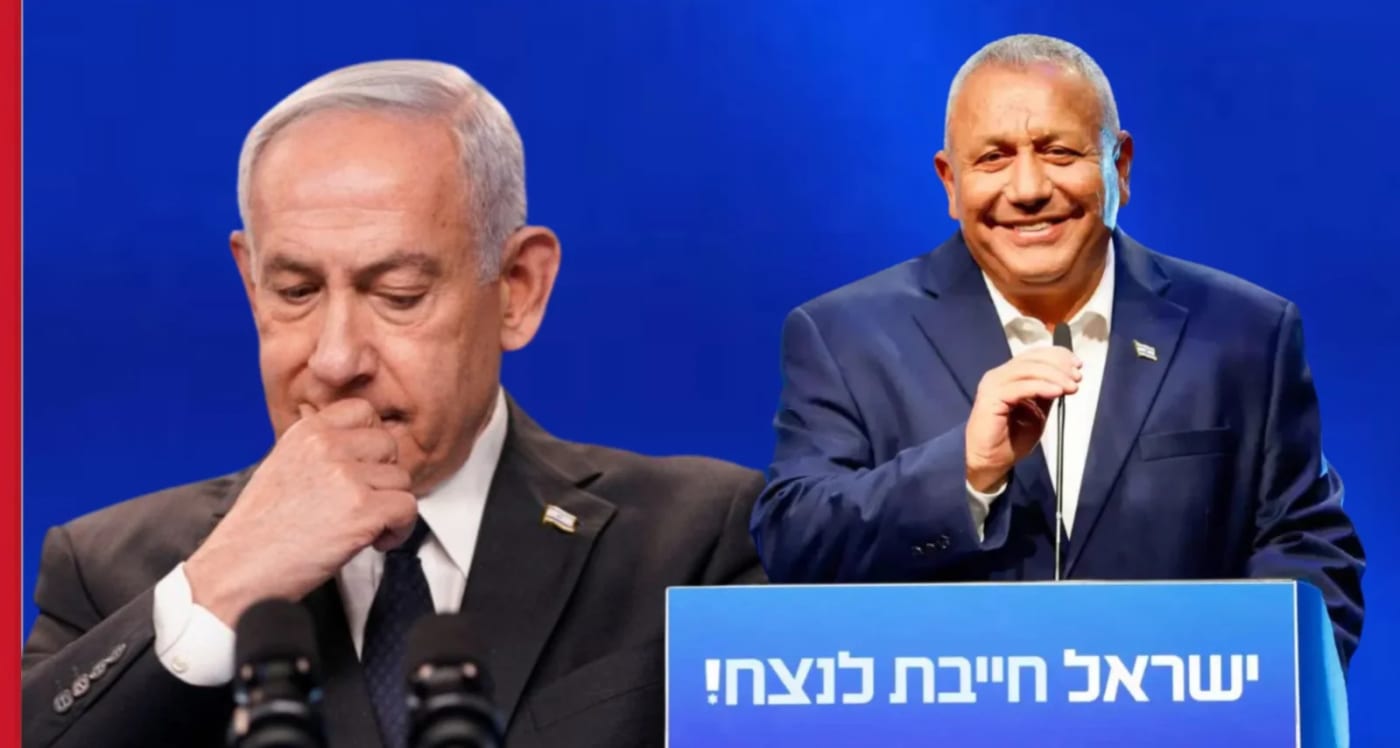
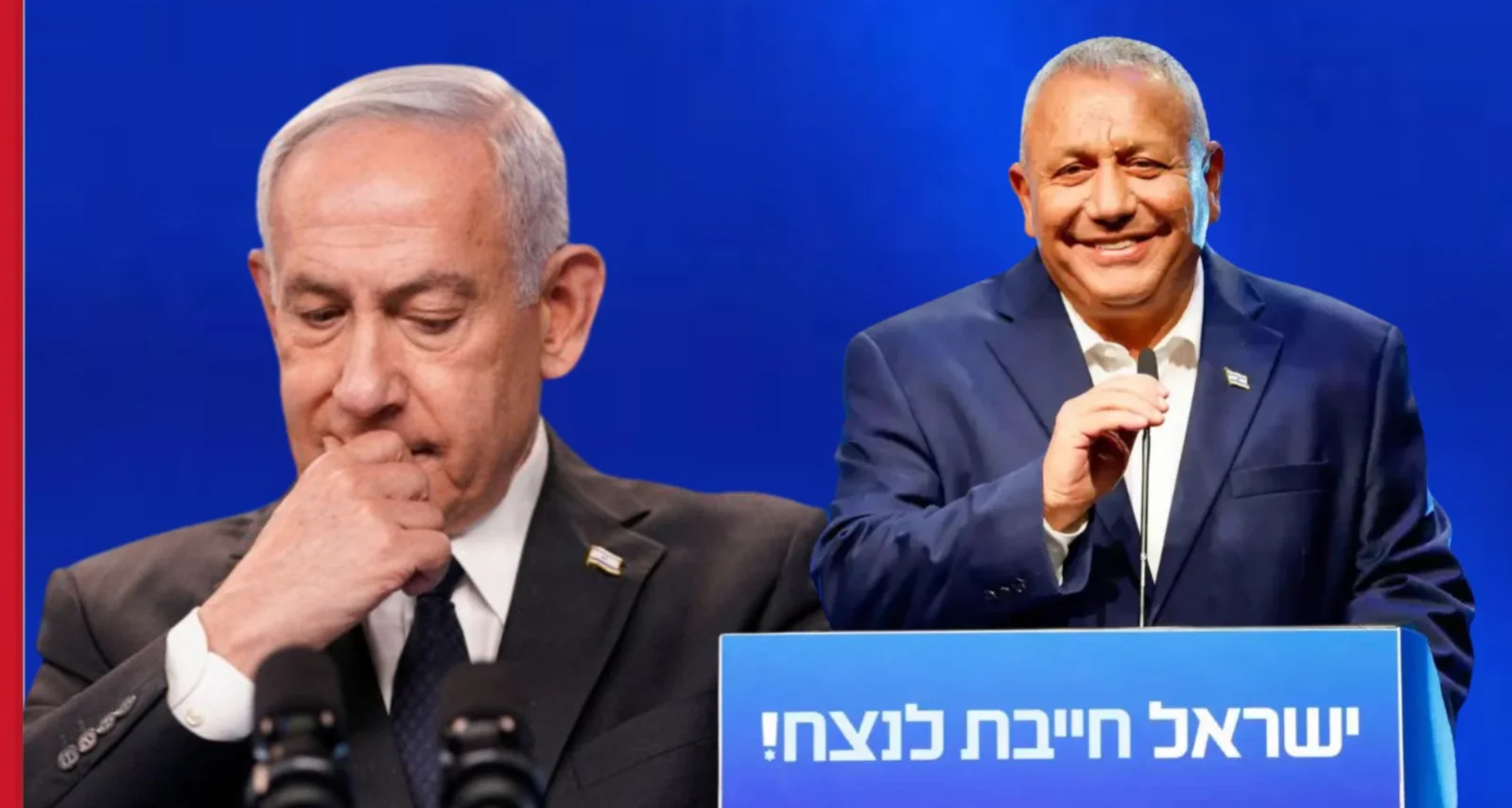
The political future of Israel's long-serving Prime Minister Benjamin Netanyahu has entered a new period of uncertainty. Following the country's recent election, in which no political bloc secured the majority required to form a government independently, Israeli President Isaac Herzog has tasked opposition leader and former military chief Gadi Eisenkot with forming a new government. The decision has raised the possibility of ending Netanyahu's long political rule, although Eisenkot faces a series of difficult political challenges before he can take office.
In the October 27 election for Israel's 120-seat parliament, the Knesset, the right-wing and religious bloc led by Netanyahu secured 53 seats. Meanwhile, the four-party opposition alliance led by Eisenkot won 48 seats. The remaining 19 seats went to two Arab-led political parties. A minimum of 61 lawmakers is required to form a government in Israel.
Although neither bloc secured an outright majority, 67 out of the 120 lawmakers recommended Eisenkot during consultations with the president over the formation of a new government. Meanwhile, 46 lawmakers recommended Netanyahu. As a result, Eisenkot received the first opportunity to form the next government.
Arab Parties' Support Could Hold the Key
One of Eisenkot's biggest challenges will be securing the support of Arab-led political parties. These two parties won a record 19 seats in the election and backed Eisenkot during the consultations over government formation. With their support, the opposition bloc could potentially reach 67 seats.
However, some parties within Eisenkot's alliance oppose including Arab parties directly in the government. In particular, the Yisrael Beiteinu party, led by right-wing politician Avigdor Lieberman, opposes forming a minority government that depends on the support of Arab parties.
Consequently, even if Arab parties offer their backing, maintaining unity within Eisenkot's alliance could prove difficult.
Possibility of an Agreement with Ultra-Orthodox Parties
Another possible route to forming a government would be to secure the support of the ultra-Orthodox Jewish parties Shas and United Torah Judaism. Together, the two parties hold 13 seats. Their support, combined with Eisenkot's alliance of 48 seats, would bring the total to the required 61.
However, this arrangement also faces significant obstacles. The ultra-Orthodox parties support exempting students at religious institutions from compulsory military service. Eisenkot and several of his political allies, on the other hand, support mandatory military service for all Israeli citizens.
Without an agreement on military conscription, this alternative could also complicate government formation.
Is a National Unity Government with Netanyahu Possible?
Another possibility being discussed to resolve Israel's political deadlock is the formation of a national unity government involving Netanyahu's Likud Party and Eisenkot's opposition alliance. Together, the two blocs would hold 67 seats.
However, Eisenkot campaigned on a promise to remove Netanyahu from power. Therefore, joining a government alongside Netanyahu would be politically complicated. The position of other parties within Eisenkot's alliance could also become a major obstacle.
Netanyahu Could Attempt to Split the Opposition Bloc
Although Eisenkot has received the mandate to form a government, Netanyahu's political influence has not disappeared. His Likud Party remains the largest single party in the Knesset.
According to Reuters' analysis, if Eisenkot fails to form a government, Netanyahu could also be given an opportunity by the president to attempt to form one. In that scenario, he may try to persuade lawmakers from the opposition alliance to join his camp.
Meanwhile, Netanyahu will continue serving as caretaker prime minister until a new government is formed.
A 28-Day Deadline, With Further Political Uncertainty if Talks Fail
Eisenkot has initially been given 28 days to form a government. The president may grant an additional 14 days if necessary. During this period, Eisenkot must secure the support of at least 61 lawmakers and reach agreements on the formation of a new cabinet.
If he fails to form a government within the prescribed period, the president may assign the task to another political leader. If no political camp ultimately succeeds, Israel could face another general election.
Overall, the president's decision represents a significant political setback for Netanyahu, but his departure from power is far from certain. Eisenkot's path to becoming prime minister will depend on securing Arab-party support, reaching an agreement with ultra-Orthodox parties and resolving internal disagreements within his own alliance.
The biggest question now facing Israeli politics is whether Gadi Eisenkot can truly bring an end to the Netanyahu era and successfully form a new government.
Sources: Reuters, Associated Press (AP), The Times of Israel, Al Jazeera