
Iran Warns Strait of Hormuz Restrictions Will Continue Unless Its Rights Are Respected, Says Army Chief General Amir Hatami
Tehran, Iran | October 16, 2026 | The Global Journal
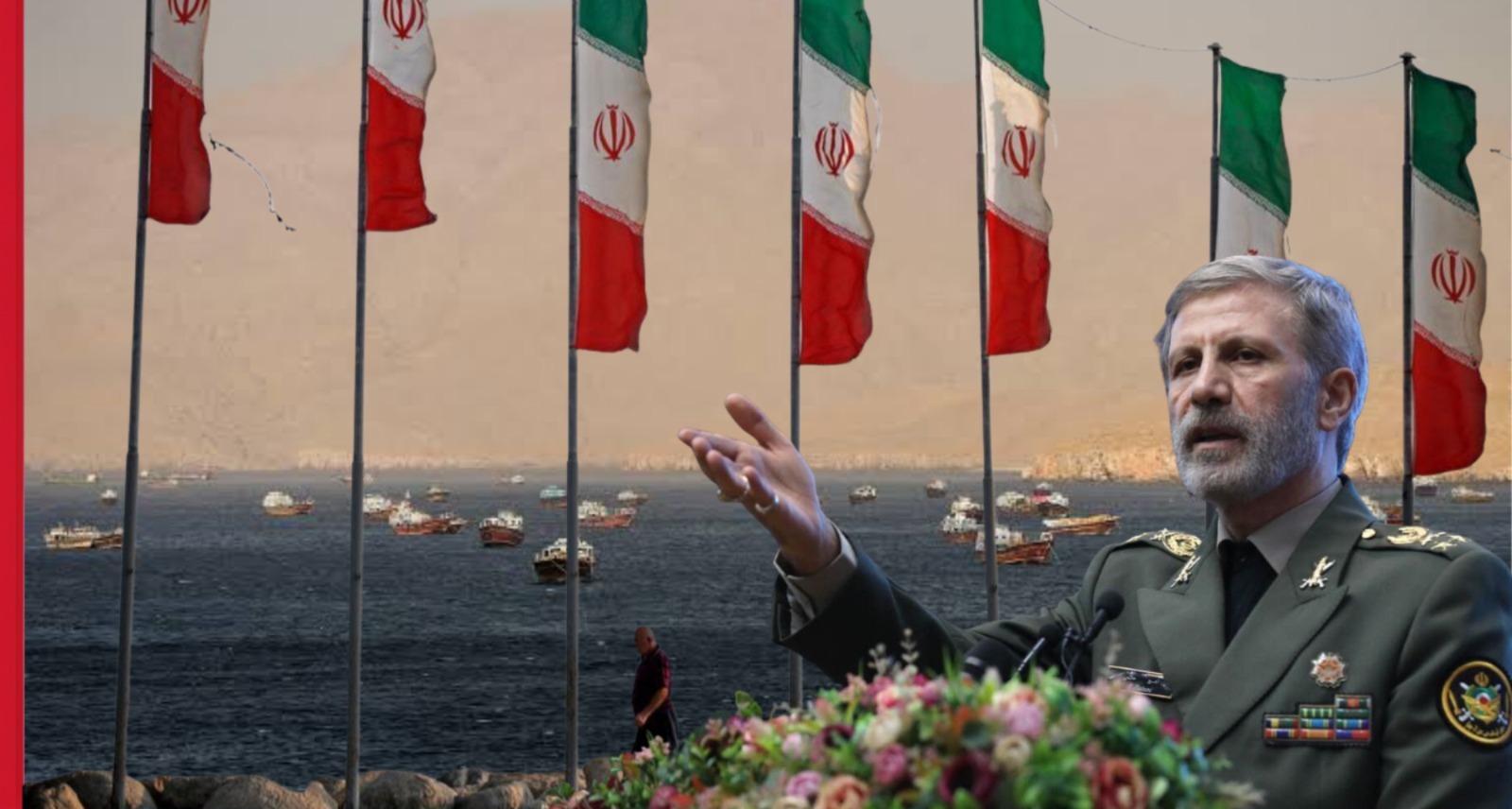
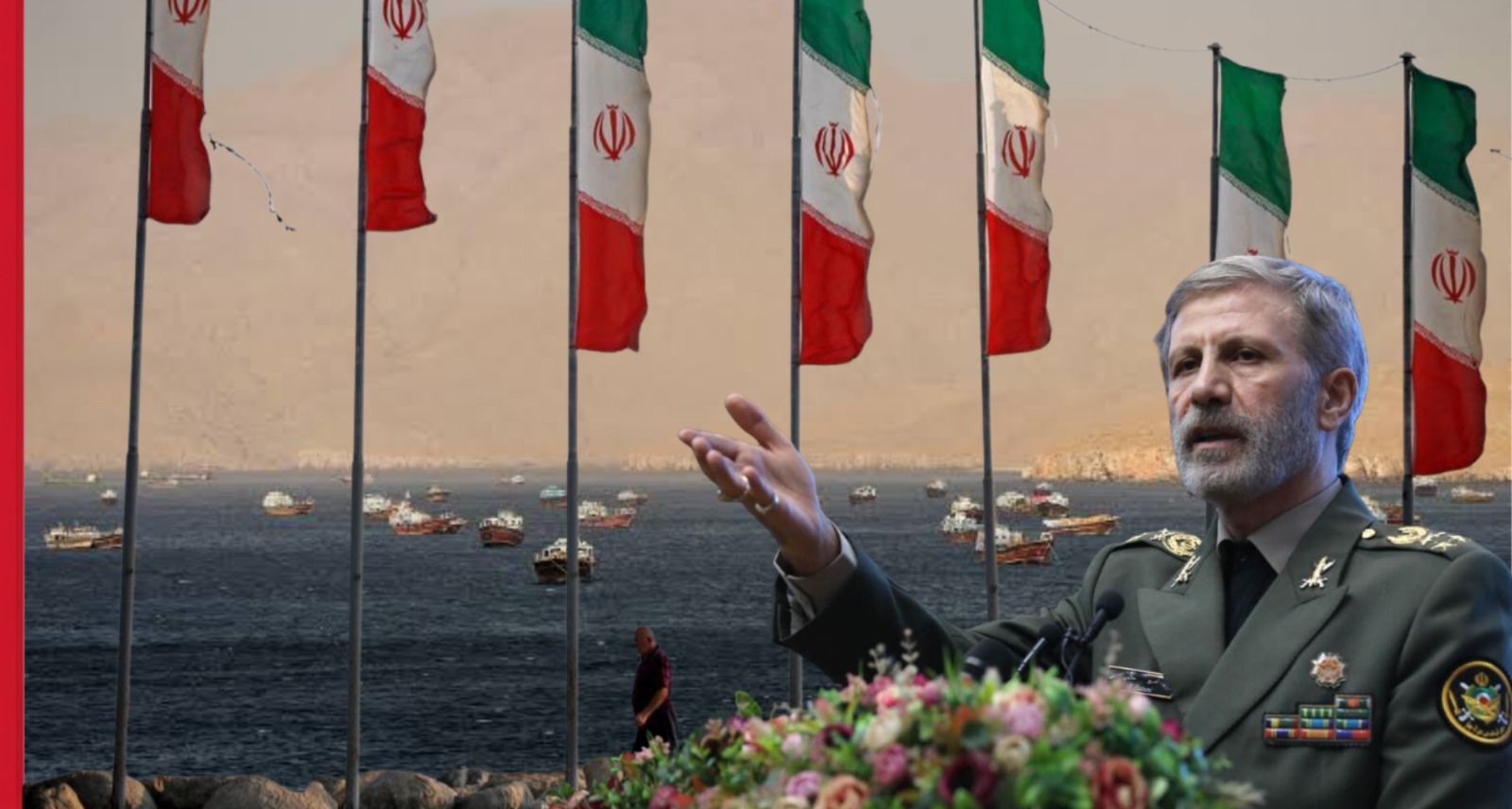
Iran’s Army Commander-in-Chief, Major General Amir Hatami, has warned that restrictions on maritime traffic through the strategically important Strait of Hormuz will remain in place unless the inalienable rights of the Iranian people are respected. He claimed that the waterway remains under the full supervision of Iran’s armed forces and that shipping movements have been significantly restricted.
Hatami made the remarks on Thursday night, October 15, during the closing ceremony of the 11th National Itikaf Congress and the 8th International Scientific, Literary and Artistic Itikaf Festival. The event was held at the mosque of Imam Ali (AS) Officers’ Academy in Tehran.
Hatami stressed that restrictions on passage through the strait would continue if what he described as the enemy failed to respect Iran’s rights. His remarks underscored Tehran’s firm position amid its ongoing conflict with the United States and Israel.
Four Pillars of Iran’s National Power
Hatami identified four main pillars of Iran’s power: its people, armed forces, governance structures and geopolitical position. He claimed that these factors had collectively caused the enemy’s strategic calculations to fail.
Referring to the Iranian public’s role during the early days of the military campaign launched by the United States and Israel, Hatami said the people had spontaneously joined the effort to defend the country, relying on their own capabilities.
He added that Ayatollah Seyyed Mojtaba Khamenei, Iran’s Leader of the Islamic Revolution, had also emphasized the importance of public participation.
According to Hatami, national unity, military capabilities, state institutions and Iran’s geographical position remain important elements of the country’s strategy.
Iranian Military Supervision of the Strait of Hormuz
The Iranian army chief said the western section of the Strait of Hormuz is supervised by the naval forces of the Islamic Revolutionary Guard Corps (IRGC). The eastern section of the strait and the Sea of Oman, he added, are under the responsibility of Iran’s regular navy.
Rejecting claims that the waterway is fully open, Hatami said maritime traffic had been sharply restricted. He further claimed that no hostile vessel had entered Iranian maritime areas in the region, apart from a small number of vessels against which Iranian forces had taken action involving repeated gunfire.
These statements reflect the Iranian military leadership’s account of the situation. Independent verification of the claims and assessments from other parties were not included in the report.
Claim of Missile Strikes in the Early Hours of the War
Hatami described Iran’s armed forces as the second major pillar of the country’s power. He said Iranian forces had responded with full force during the initial hours of the war, launching multiple rounds of missiles toward enemy positions.
He also stated that operations by the Iranian Army and the IRGC continued despite the deaths of numerous military commanders and officials. According to Hatami, these losses did not prevent the armed forces from continuing their operations.
His remarks highlighted the Iranian military’s emphasis on operational continuity and the role of public participation in the country’s response to the conflict.
Why the Strait of Hormuz Matters to Global Energy Markets
The Strait of Hormuz connects the Persian Gulf with the Gulf of Oman and is one of the world’s most important maritime routes for energy shipments. Large volumes of crude oil and liquefied natural gas pass through the waterway to international markets.
Prolonged restrictions or disruptions to shipping through the strait could affect global energy supplies, transportation costs and oil prices. As a result, developments in the waterway are closely watched by governments, shipping companies and energy markets worldwide.
According to Tehran, Iran tightened its control over maritime passage following the start of US-Israeli military operations on February 28. Iranian officials have said that non-hostile vessels may be permitted to transit after coordination with and authorization from Iranian authorities, while ships associated with what Tehran describes as hostile parties remain barred.
The actual extent of these restrictions and their impact on international shipping require assessment against independently verified maritime information and statements from other relevant parties.
Tehran Reiterates Its Firm Position
Hatami reiterated that restrictions on maritime traffic through the Strait of Hormuz would continue unless Iran’s rights were respected. His remarks linked the country’s maritime security and strategic position to the wider confrontation with the United States and Israel.
Overall, Iranian Army Chief General Amir Hatami has warned that restrictions on shipping through the Strait of Hormuz will remain in force unless Iran’s rights are respected. His statement highlights Tehran’s position on maritime control and raises further concerns about the potential implications for international shipping and global energy supplies.
Source: Mehr News Agency (MNA).
The Global Journal