
Arab Parties Influenced Election Results Through Bribery, Fraud, Banned Software and Violence, Israeli Prime Minister Netanyahu Alleges
Jerusalem, Israel | October 29, 2026 | The Global Journal
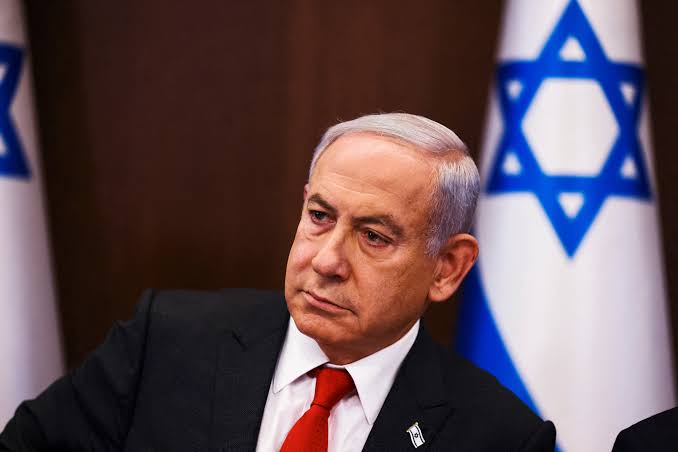
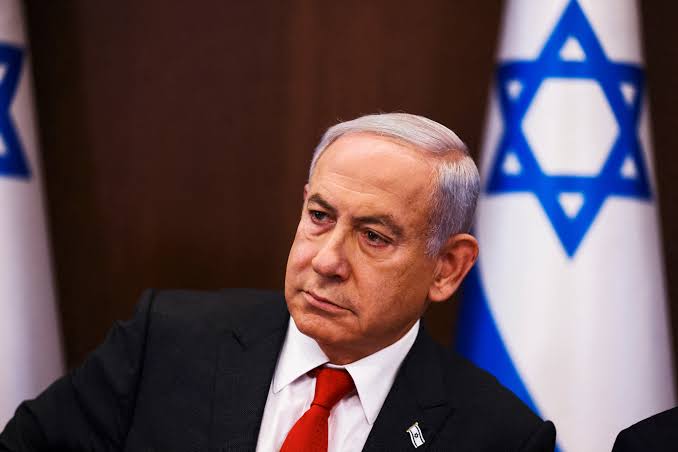
Israeli Prime Minister Benjamin Netanyahu has accused Arab political parties of influencing the country’s parliamentary election results through bribery, fraud, the use of banned software and violence. In a social media post on Wednesday (October 28), Netanyahu levelled the allegations against Arab political parties in Israel. The Washington Times has reported on the claims.
Netanyahu claims that his party possesses hundreds of pieces of evidence and witness testimonies concerning alleged irregularities at several polling stations in Arab-majority areas. He said the material was being handed over to Israeli law enforcement agencies and security officials.
However, it remains unclear whether the allegations have been independently verified. The information provided also does not include official responses from the Arab parties concerned.
Netanyahu Calls for a Full Investigation by Police and Shin Bet
Netanyahu said his party had called on the Israeli police and the Shin Bet, the country’s domestic security agency, to conduct a comprehensive investigation into the alleged electoral irregularities and take legal action against those responsible.
He claimed that his party had evidence including envelopes filled with cash bearing the symbol of the Arab political party Ra’am, incidents of individuals allegedly voting multiple times in polling booths, and cases involving the use of multiple identities to cast votes.
In his social media statement, Netanyahu alleged that these activities had seriously undermined Israeli democracy and citizens’ voting rights. He called for law enforcement agencies to take immediate action.
However, the nature of the evidence submitted, its authenticity and whether any alleged irregularities affected the election results remain unclear. These questions may be resolved through an investigation.
Netanyahu’s Likud-Led Bloc Wins 53 Seats
According to the election figures provided, Netanyahu’s Likud-led bloc secured 53 seats. Meanwhile, the bloc led by his main rival, former Israel Defense Forces chief Gadi Eisenkot, won 48 seats.
Israel’s parliament, the Knesset, has 120 seats. A party or coalition needs the support of at least 61 members to form a government. As a result, the backing of smaller parties could become important in the post-election coalition negotiations.
Arab Parties’ Role in Government Formation
According to the information provided, Arab political parties collectively won 19 seats in the election. Their combined representation could give them potential influence in negotiations over the formation of the next government.
However, whether the Arab parties will support a particular candidate or join forces will depend on subsequent political negotiations and their own decisions.
Allegations of electoral misconduct and negotiations over government formation are separate matters. Without the findings of an investigation, the allegations should not be treated as an explanation for any party’s seat count or electoral performance.
What Happens Next?
Attention is now likely to focus on whether the Israeli police and Shin Bet launch or advance an investigation into Netanyahu’s allegations. Official statements clarifying whether the submitted material is being examined, whether a formal investigation has begun and whether legal action will follow will be important.
Responses from the parties accused and assessments by the relevant electoral authorities could also help clarify the situation. Allegations of electoral misconduct do not establish that wrongdoing occurred; independent investigations and verifiable evidence are needed to determine their validity.
Netanyahu’s allegations against Arab political parties have brought Israel’s electoral process, political rivalry and government-formation negotiations into renewed focus. However, the claims and their potential impact on the election results have not yet been independently confirmed.
The findings of any investigation, responses from the parties concerned and official information from electoral authorities will be essential to establishing the full significance of the allegations.
Source: The Washington Times and information attributed to Netanyahu’s social media statement.