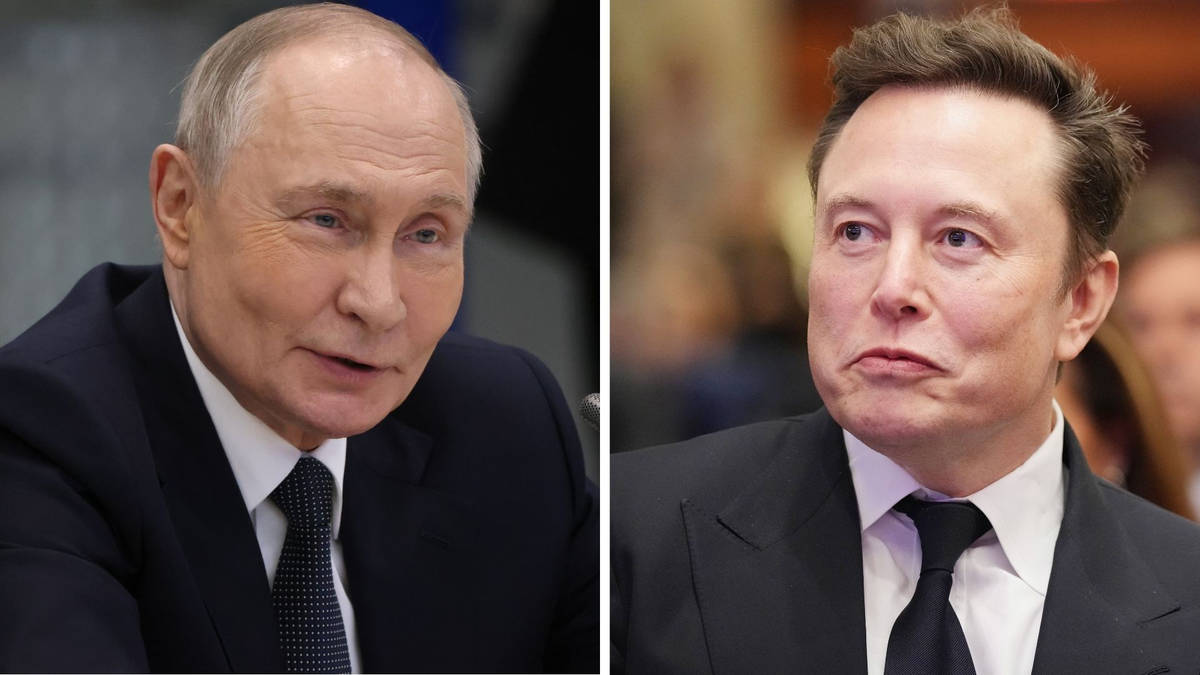

Putin Calls Elon Musk a “True Genius,” Says Russia Maintains Contact with US Partners on Satellite Management
Moscow, Russia | October 29, 2026 | The Global Journal
Russian President Vladimir Putin has praised American technology entrepreneur and SpaceX founder Elon Musk, calling him a “true genius.” Putin also said Russia maintains close communication with relevant US partners, including Musk, on satellite technology and orbital management.
Putin made the remarks on Wednesday, October 28, during discussions about Russia’s domestic satellite internet project, Rassvet, on the sidelines of the Russia–Africa summit in Moscow. His comments highlighted Russia’s plans to expand its satellite internet network and the importance of coordinating space operations with SpaceX’s Starlink system.
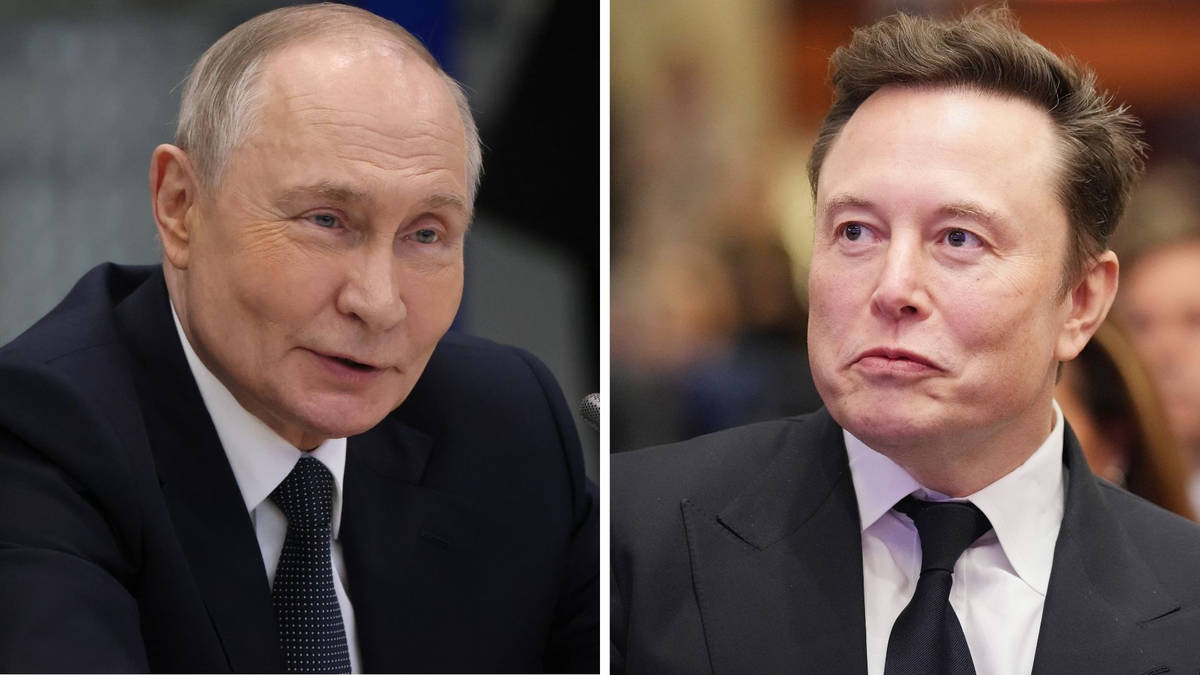
Putin Calls Musk a “True Genius”
Speaking about Elon Musk, Putin said, “He is a genius, a true genius.” The Russian president explained that Moscow maintains communication with US partners on various space and satellite-related issues, including matters involving Musk.
According to Putin, communication and coordination are important to ensure that satellites operated by Russia’s Rassvet project and the US-based SpaceX Starlink network do not interfere with each other’s operations in space.
His remarks suggested that technical communication between the two countries continues in areas such as satellite operations and orbital management despite broader political disagreements.
However, Putin’s comments do not establish that Russia and the United States have agreed to a formal joint satellite project or that Musk has entered into a commercial agreement with the Russian government.
Russia’s Goals for the Rassvet Project
Russia aims to develop its own satellite internet system to expand connectivity in remote areas and strengthen its communications infrastructure. The project is called Rassvet, a Russian word meaning “dawn.”
Under the plan, Russia intends to deploy satellites in low Earth orbit to provide internet services across different parts of the country. The initiative could help Moscow reduce its dependence on foreign satellite internet providers and strengthen its domestic technological capabilities.
However, Rassvet remains much smaller in scale than Starlink. Increasing the number of satellites, developing the necessary ground infrastructure and ensuring reliable internet services are among the major challenges facing Russia’s project.
The Gap Between Rassvet and Starlink
Starlink, operated by Elon Musk’s SpaceX, is one of the world’s largest satellite internet networks. It provides internet connectivity in multiple countries through a large constellation of satellites in low Earth orbit.
By comparison, Russia’s Rassvet project has a substantially smaller satellite network. This creates a significant gap between the two systems in terms of coverage, connectivity, network reliability and the ability to deliver services to users.
Nevertheless, satellite numbers alone do not determine a network’s effectiveness. Technical capabilities, ground infrastructure, orbital configuration and service quality also play important roles.
Starlink’s Strategic Importance in the Ukraine War
Starlink has played an important role in Ukraine’s communications infrastructure during its war with Russia. Ukrainian forces have relied on the service to maintain battlefield communications, exchange information and support various military activities.
The military use of Starlink has also generated controversy. Reports have highlighted disagreements between Ukraine and Musk over service conditions, military applications and connectivity restrictions in certain areas.
These developments have demonstrated how privately operated satellite communication systems can become strategically important assets in modern warfare. At the same time, excessive dependence on a private provider can create operational and communications risks.
The Broader Context of US–Russia Relations
Although Washington and Moscow remain divided over the war in Ukraine, communication in specific areas such as space operations and satellite management remains important. Putin’s remarks reflect the practical need to maintain coordination in these technical fields.
Reducing the risk of satellite collisions, maintaining safe operations in space and coordinating the activities of satellites operated by different countries are important aspects of international space management.
However, technical communication over satellite operations does not necessarily indicate an improvement in broader political relations or progress toward an agreement on the war in Ukraine.
Russia Faces Challenges in the Satellite Technology Race
Russia’s efforts to build a domestic satellite internet network and compete with Starlink form part of its broader technological and strategic priorities. The success of Rassvet will depend on sustained satellite launches, infrastructure development, investment and the delivery of reliable services to users.
Putin’s remarks highlighted both his praise for Musk’s technological achievements and the importance of coordination in space. How far Rassvet expands—and whether it can narrow the gap with Starlink—will depend on the project’s actual progress and technical performance.
Conclusion: Putin’s description of Elon Musk as a “true genius” and his comments about communication with US partners on satellite orbital management underscore the growing strategic importance of space technology. Starlink’s role in the Ukraine war has also demonstrated that satellite internet is no longer merely a commercial service but an increasingly important part of security and military communications. The future of Russia’s Rassvet project will depend on its technological capabilities and successful implementation.
Sources: BBC, Reuters, AFP and related reporting.