US President Donald Trump Outlines Strategy to End the Ongoing War with Iran Soon Rules Out Nuclear Attack
Washington DC, United States | October 18, 2026 | The Global Journal
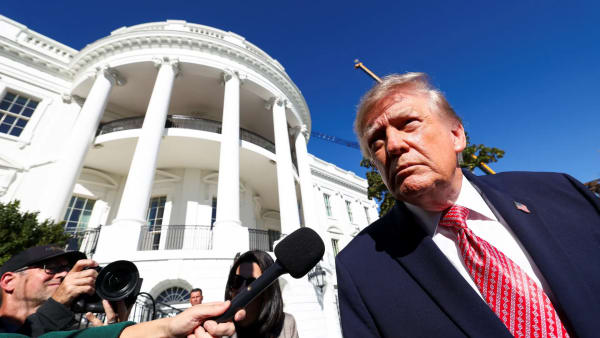
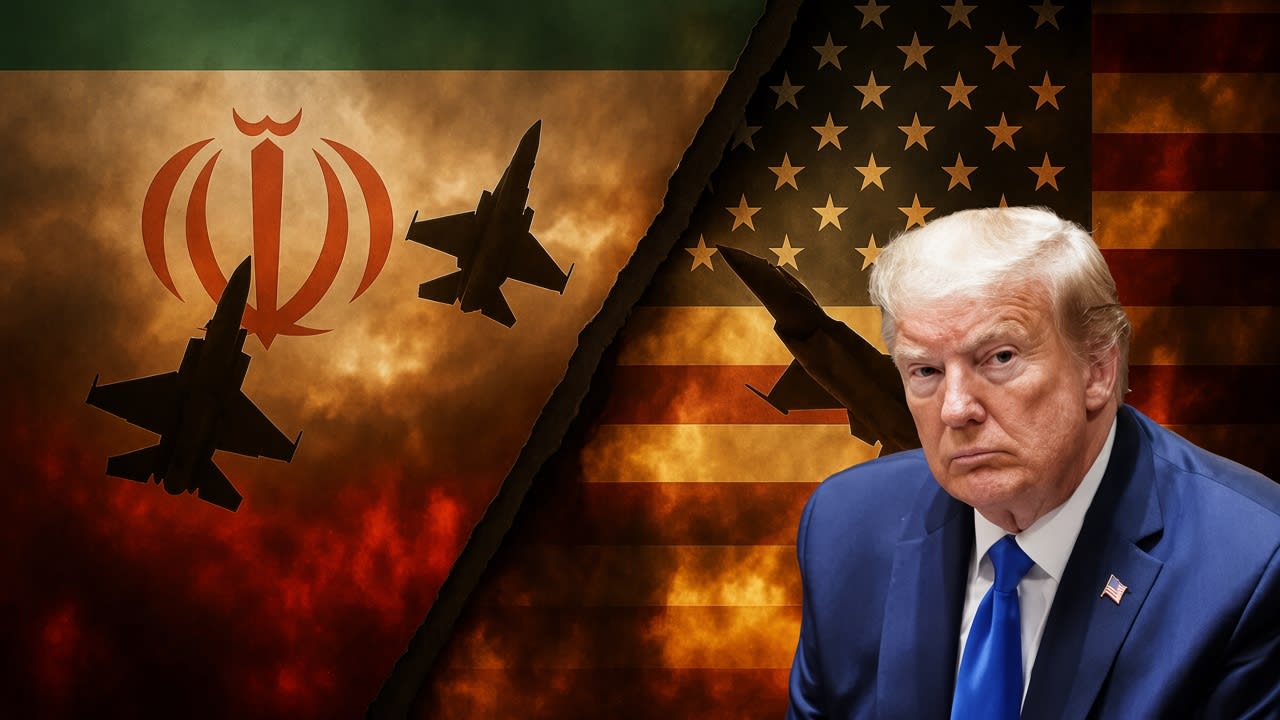
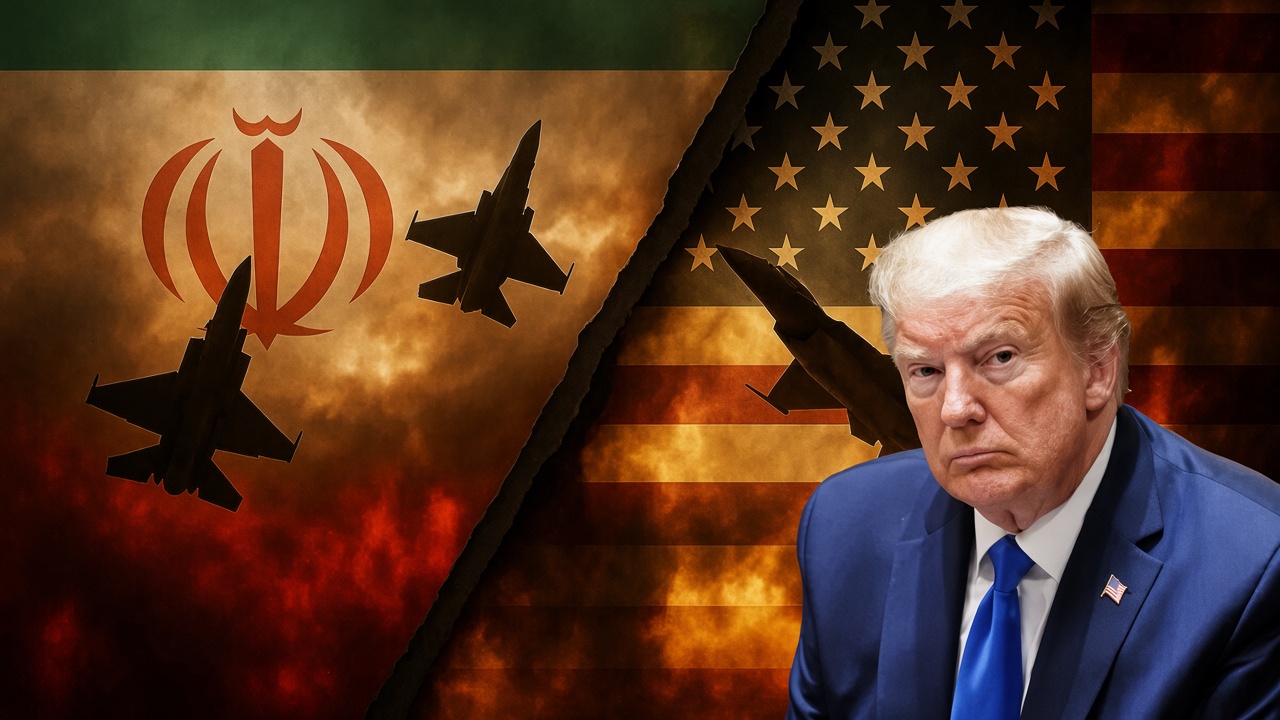
U.S. President Donald Trump has said that the ongoing war with Iran could end soon. However, without outlining a specific peace agreement, he has indicated the possibility of military strikes against underground facilities associated with Iran’s nuclear programme. At the same time, he has said that there is no need to use nuclear weapons against Iran and that he is not considering deploying U.S. ground troops into the country.
Trump made these remarks during an interview with American media outlet Newsmax on Thursday night local time. According to a Reuters report published on Friday, October 16, he raised the possibility of striking “Pickaxe Mountain,” a facility associated with Iran’s nuclear programme. According to Trump, one of Washington’s primary objectives is to ensure that Iran never acquires nuclear weapons.
Trump Hints at a Possible Strike on Pickaxe Mountain
During the Newsmax interview, Trump said Iran’s nuclear facilities are protected deep inside mountains. He indicated that the United States could attempt to destroy the Pickaxe Mountain facility quickly if necessary.
Trump claimed that Iran might use nuclear weapons if it acquired them. He therefore emphasised the importance of preventing Iran from developing a nuclear weapons capability.
Pickaxe Mountain is known as a fortified underground facility near Iran’s Natanz nuclear site. Its depth and protective infrastructure could make a military strike particularly challenging. However, Trump did not disclose a timeline for a potential attack, the weapons that might be used or specific operational plans.
No Nuclear Weapons, but Questions Over the ‘Mother of All Bombs’
When asked about the possible use of one of America’s most powerful conventional bombs, the “Mother of All Bombs” (MOAB), against Iran, Trump said it was not a nuclear weapon. He also stated that there was no need to use nuclear bombs against Iran.
The MOAB’s official designation is the GBU-43/B Massive Ordnance Air Blast. It is one of the most powerful conventional bombs in the U.S. arsenal, not a nuclear weapon.
An earlier CNN report said the U.S. military was considering the bomb as a potential option for strikes against Iranian energy infrastructure and nuclear facilities. However, Trump did not confirm during the interview whether he had authorised the use of the MOAB.
Trump Says He Is Not Planning to Send U.S. Ground Troops Into Iran
Asked whether American ground troops would be deployed inside Iran as part of a potential military operation, Trump said he did not expect that to happen.
However, he warned that if the United States withdrew from military operations without securing guarantees that Iran would never acquire nuclear weapons, Washington might need to take military action again within a year.
Trump’s remarks suggest that his stated objective goes beyond simply ending the war. Securing long-term guarantees concerning Iran’s nuclear programme also appears to be a priority. However, he did not explain how such guarantees might be established through a diplomatic agreement, international monitoring, military action or a combination of these measures.
Trump Predicts an Early End to the War and Falling Oil and Gas Prices
During the interview, Trump claimed that the war with Iran would end very soon. According to him, Tehran was negotiating with Washington, and Iranian officials had asked the United States and Israel to halt their military operations.
Trump predicted that oil prices would fall rapidly once the war ended, with gas prices also expected to decline.
However, he did not announce a final agreement, a specific timetable for ending the war or the complete terms of a potential settlement.
Asked whether he trusted Israeli Prime Minister Benjamin Netanyahu, Trump said he did not fully trust anyone in the world of politics.
These statements represent Trump’s own claims and predictions. The interview did not establish that a final agreement to end the war had been reached.
Iran’s Proposal on the Strait of Hormuz, but Talks Remain at an Impasse
Amid Trump’s optimistic statements about ending the war, Iran has reiterated its conditions for reopening the Strait of Hormuz.
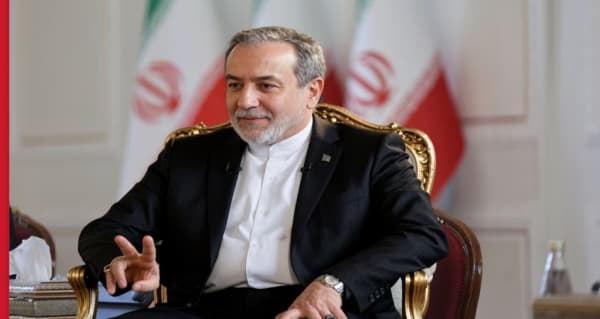
According to a Reuters report dated October 18, Iranian Foreign Minister Abbas Araghchi said that if the United States accepted Iran’s conditions, Tehran could reopen the Strait of Hormuz within six days and begin negotiations the following day. Iran’s demands include lifting the U.S. blockade on Iranian ports, removing restrictions on Iranian oil exports and ending hostilities across the various fronts of the regional conflict.
However, according to Iranian officials, negotiations remain at an impasse because Washington has not responded to all of Tehran’s proposed conditions. The two countries also remain divided over Iran’s nuclear programme. While the United States has emphasised the need to address the nuclear issue, Tehran wants the security of the Strait of Hormuz and the normal flow of energy supplies to be prioritised.
Against this backdrop, progress in negotiations, the conditions for reopening the Strait of Hormuz and the possibility of an agreement on Iran’s nuclear programme remain crucial to determining whether the war can end soon, as Trump has predicted.
Although Trump has hinted at a possible strike on Pickaxe Mountain, he has ruled out the use of nuclear weapons and indicated that he does not expect U.S. ground troops to be deployed in Iran. So far, his remarks have not clarified a specific timetable for ending the war or provided a framework for a final settlement.
The future course of the U.S.-Iran conflict will therefore depend on how military warnings and diplomatic negotiations develop in the coming days.