
Netanyahu’s Defeat in Israel’s Election Could Change the Course of the Iran War and Reshape Middle East Politics
Jerusalem, Israel | October 28, 2026 | The Global Journal
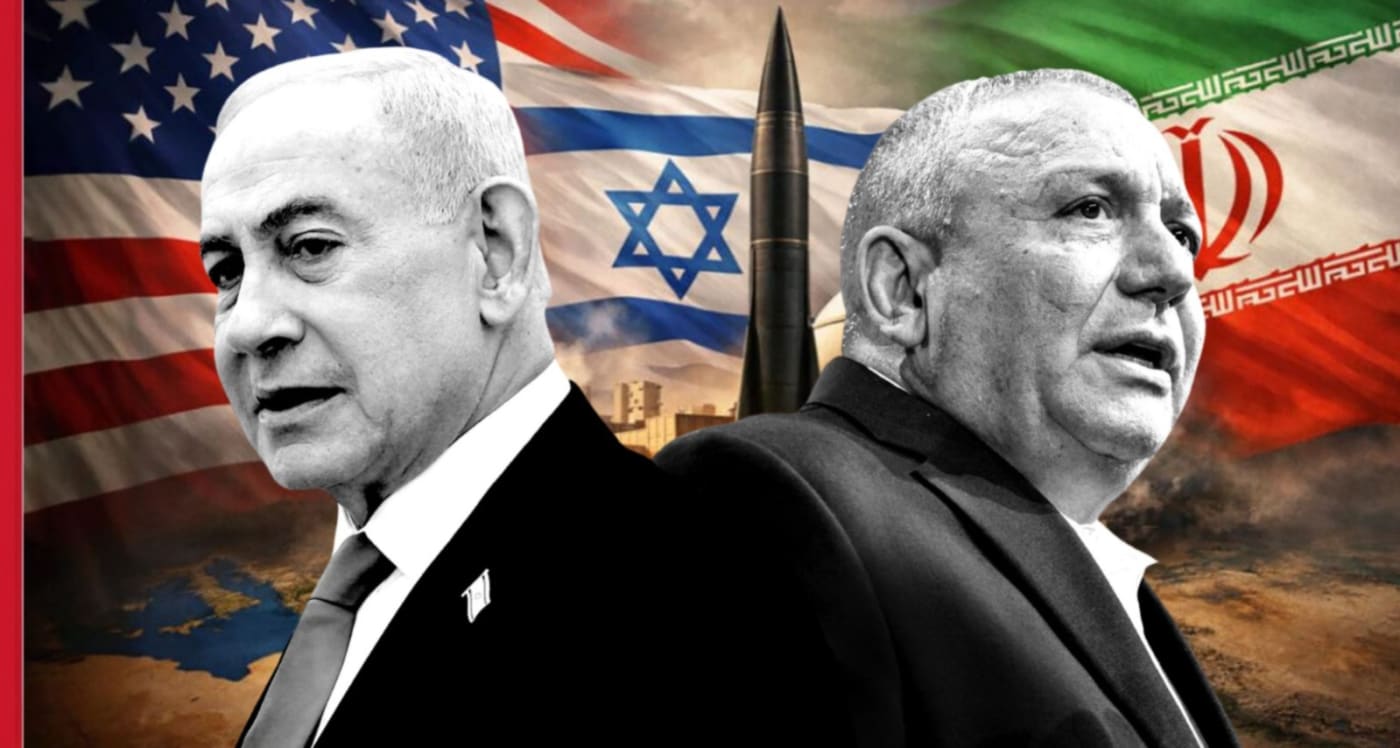
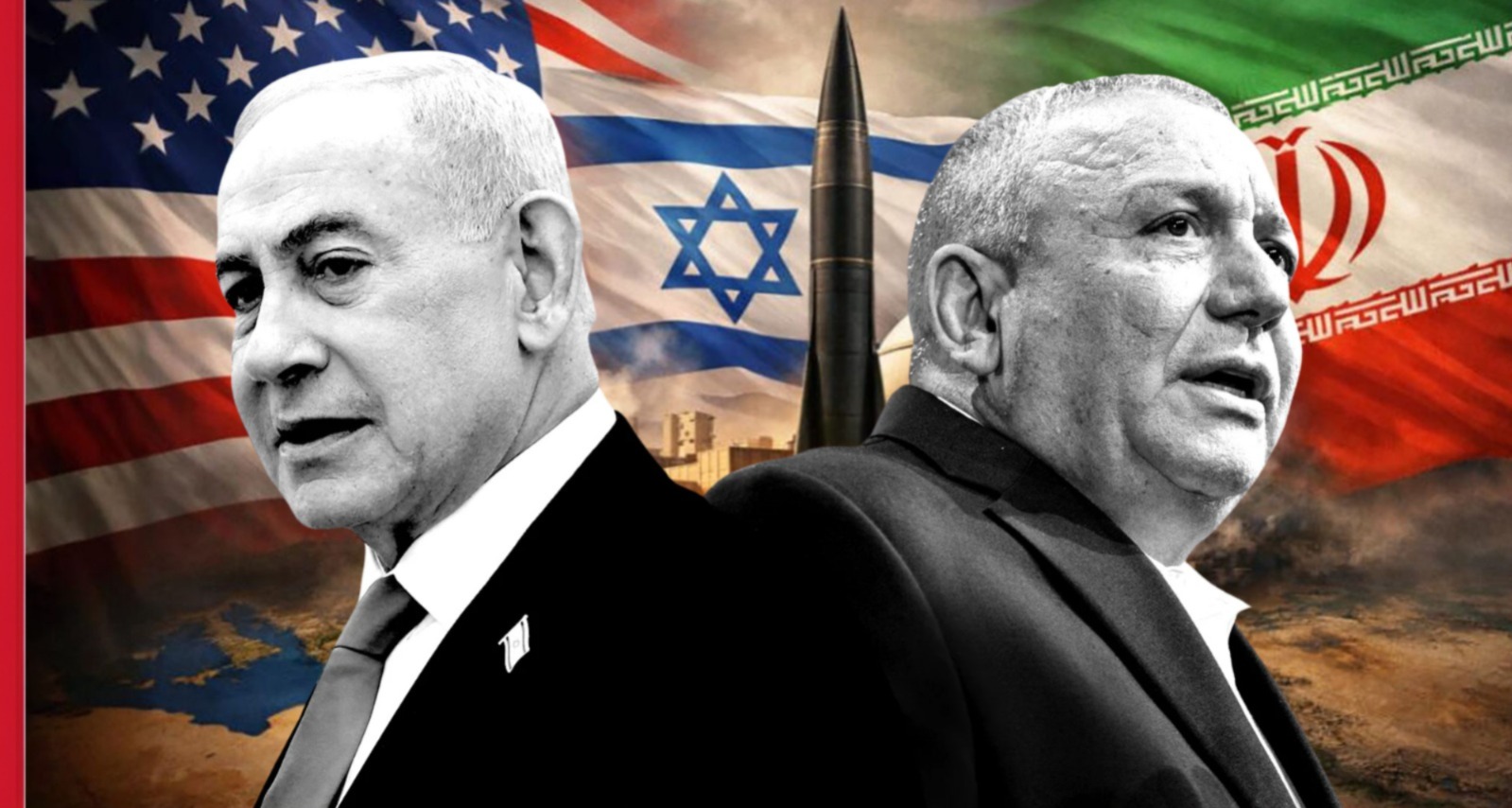
Israel’s national election has intensified the political rivalry between Prime Minister Benjamin Netanyahu and his main challenger, Gadi Eisenkot, while also highlighting major differences over the future of the war with Iran. Exit polls have indicated a close contest between the political blocs led by the two figures. However, the final election results and the formation of the next government remain uncertain.
Netanyahu and Eisenkot have significantly different views on how the conflict with Iran should end. Netanyahu presents a change in Iran’s current governing system as a path toward lasting peace. Eisenkot, a former chief of the Israeli military, argues that regime change in Iran is not a realistic objective achievable through military operations alone. His approach places greater emphasis on economic pressure and diplomatic initiatives.
According to an NDTV report, the election results could influence not only Israel’s domestic politics but also its future Iran policy and the nature of its relationship with Washington.
Two Leaders, Two Different Approaches to the Iran War
Gadi Eisenkot, a former Israeli military chief and current political leader, supports a vision of Israel in which Jewish and Arab communities can coexist. His son was killed in the Gaza war in December 2023. Despite this personal loss, Eisenkot has continued to criticize Netanyahu’s approach to the conflict with Iran.
Eisenkot believes that increasing economic pressure on Iran could be an effective way to constrain its military and political capabilities. He has not completely ruled out military action against Iran’s nuclear program, but he opposes restarting an all-out war and instead emphasizes calculated pressure and diplomatic engagement.
Netanyahu, by contrast, maintains that changing Iran’s governing system is necessary to ensure Israel’s long-term security. His approach has sparked debate within Israel over whether it could prolong the conflict and increase regional instability.
According to the report, Netanyahu published an AI-generated image depicting a nuclear explosion in Tel Aviv one day before the election. Security concerns surrounding Iran had become one of the central issues of the election campaign.
Did Netanyahu Propose a Joint U.S.-Israeli Strike on Iran?
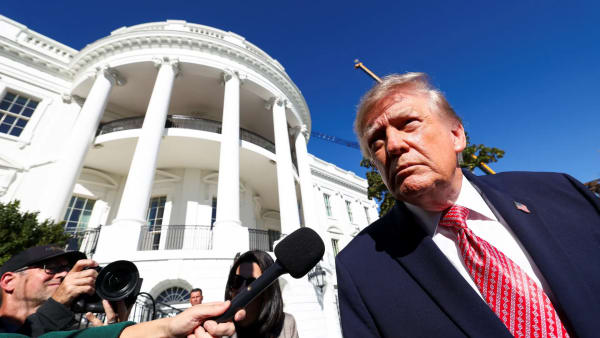
Citing a CNN report, the article says Netanyahu proposed a joint U.S.-Israeli attack on Iran before the election. However, U.S. President Donald Trump reportedly did not agree to the proposal.
An Israeli source told CNN that Netanyahu had tried to persuade Trump to approve a joint strike against Iran before the election, but the U.S. president did not give the green light.
Netanyahu’s office rejected the report as “fake news.” The conflicting accounts mean that the allegation requires further verification before it can be treated as established fact.
Netanyahu has also faced accusations of attempting to restart the war for political advantage during the election period. Such allegations, however, should be assessed against reliable evidence and statements from the parties involved.
Eisenkot Says Regime Change Is Not a Realistic Objective
Eisenkot, the former chief of the Israel Defense Forces (IDF), has argued that regime change in Iran is not a realistic objective. He has long criticized Netanyahu’s military strategy, calling for clearer planning and greater consideration of the consequences of military action.
Citing a report by The New York Times, the article describes Eisenkot’s view that sustained economic pressure could offer a way to exert long-term influence over Iran without launching another major military campaign.
This approach differs significantly from Netanyahu’s strategy. While Netanyahu emphasizes military force and changing Iran’s governing system, Eisenkot places greater importance on economic pressure, carefully planned measures and diplomatic engagement.
Differences Over Relations With the United States
The two leaders also differ over Israel’s future relationship with Washington. Netanyahu presents his close ties with Trump and the United States as a major pillar of Israel’s security.
Eisenkot, on the other hand, argues that Israel should strengthen its ability to make independent decisions and reduce its reliance on the United States on security matters.
These differences could become significant when Israel determines its next steps on Iran. The next government’s priorities—whether renewed military operations, economic sanctions or diplomatic negotiations—could also affect the level of coordination between Washington and Tel Aviv.
What Do the Exit Polls Indicate?
Preliminary exit polls have not indicated a clear majority for the right-wing and religious bloc led by Netanyahu. Opposition parties could secure a substantial number of seats, but disagreements among them raise questions about whether they can unite behind a government.
Israel’s Knesset has 120 seats, and a government generally needs the support of at least 61 members to secure a parliamentary majority. Even if a party receives the largest share of the vote, it may need support from other parties to form a government.
Parties representing Israel’s Arab population could also play a role in coalition negotiations. Arab citizens account for approximately 20% of Israel’s population. However, the report says Netanyahu has directly rejected the possibility of forming a political partnership with Arab parties.
Netanyahu Seeks to Remain in Power as Coalition Uncertainty Grows
Following the vote, Netanyahu appeared confident at an event where he highlighted what he described as his government’s military achievements over the past three years. He also called on opposition parties to work with him and supported remaining in office as prime minister.
At the same time, he ruled out political partnerships with Arab parties, reportedly comparing such cooperation to “treason.”
Nevertheless, exit polls are not final results. Until vote counting, seat allocation and coalition negotiations are completed, it will not be possible to determine with certainty who will form Israel’s next government.
Could Netanyahu’s Defeat Change the Course of the Iran War?
If Netanyahu loses power, Israel could have an opportunity to reassess its Iran policy, particularly its approach to renewed military operations, economic pressure and diplomatic engagement. Eisenkot’s position suggests that he is skeptical of making regime change in Iran the declared objective of a war.
However, a change of government would not automatically guarantee a complete shift in policy toward Iran. Israel’s security institutions, Iran’s nuclear program, U.S. policy and the broader regional situation would all influence future decisions.
Conclusion: The contest between Netanyahu and Eisenkot is about more than political power; it also highlights significant differences over the future strategy of the Iran war. However, the conflict’s trajectory cannot be determined with certainty before the final election results and the next government’s actual decisions become clear.
Sources: NDTV, including information attributed to CNN and The New York Times.